
Skip to header Skip to main navigation Skip to main content Skip to footer

User account menu

  • Log in
Home
Electrician ITI
ITI Trade Electrician, Wireman

Main navigation

  • Home
  • Book
  • Question Paper
  • Trade Syllabus
  • वायरमैन
    • WIREMAN Assessment Criteria
    • WIREMAN Course Information
    • WIREMAN General Information
    • WIREMAN Job Role
    • WIREMAN Learning Outcomes
    • WIREMAN Training System
  • इलेक्ट्रीशियन
  • ITI Tools
    • Employability Skills (opens in new tab)
    • Engineering Drawing (opens in new tab)
    • Hunnarbaaz (opens in new tab)
    • Syllabus (opens in new tab)
    • Workshop Calculation and Science (opens in new tab)

Materials used for winding and winding wires in small transformer.

Breadcrumb

  • Home
  • Materials used for winding and winding wires in small transformer.
  • English
  • Hindi
  • Bengali
  • Malayalam
  • Gujarati
ITI Trade: Electrician
Electrician

ITI Trade: Electrician

Course Overview

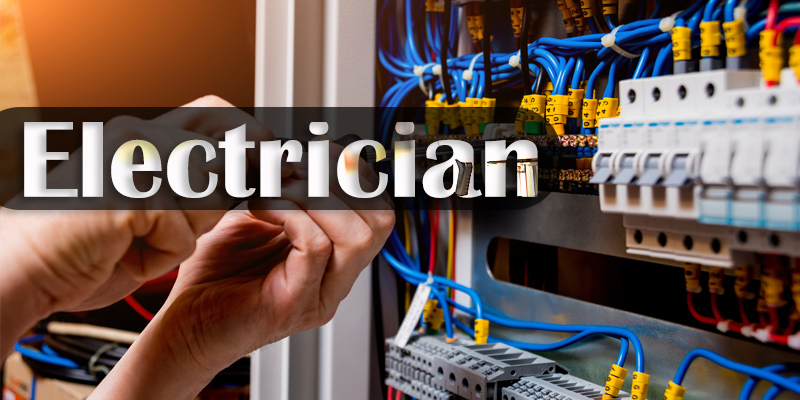
This two-year Electrician trade course is offered under the Craftsman Training Scheme (CTS) by the National Council for Vocational Training (NCVT). It trains students in electrical installation, maintenance, and repair, preparing them for roles such as electrician, wireman, or electrical technician.

The course includes:

Trade Name: Wireman
Wireman

Course Overview

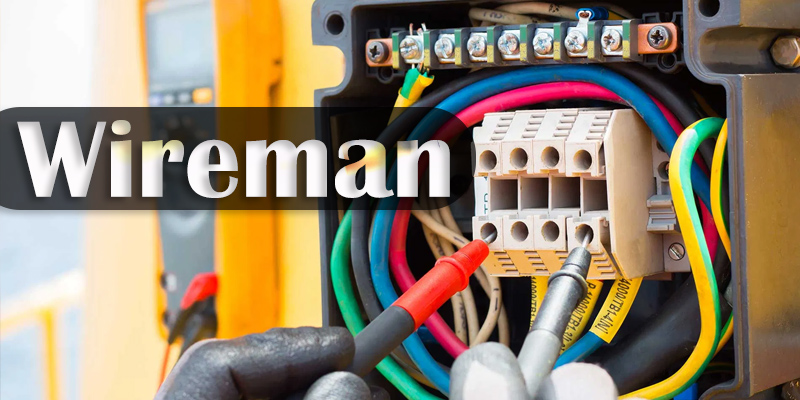
  • Trade Name: Wireman
  • Duration: 2 Years (4 Semesters)
  • NSQF Level: Level 5
  • Eligibility: 8th Grade Pass
ITI Electroplater Trade
Electroplater

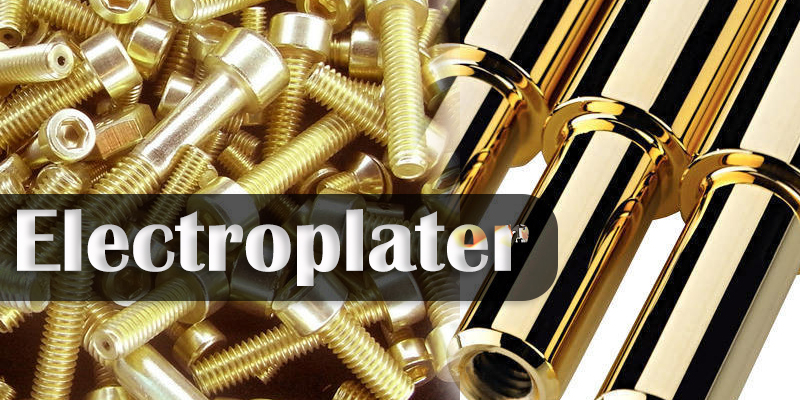
The ITI "Electroplater" trade is a two-year vocational training program under the Craftsman Training Scheme (CTS), governed by the National Council for Vocational Training (NCVT). This course equips trainees with skills in electroplating techniques, surface preparation, and the application of protective and decorative coatings on metal surfaces.

Electrician Power Distribution

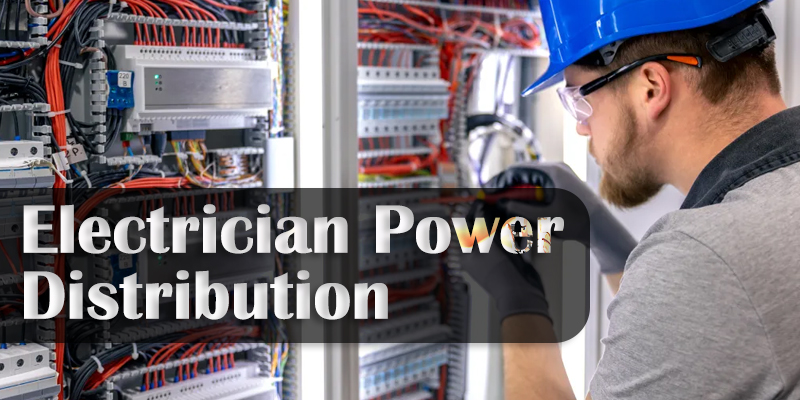
The Electrician (Power Distribution) ITI trade is a 2-year NSQF Level 4/5 course focused on installing, operating, maintaining, and repairing electrical power distribution systems. It covers transformers, overhead lines, underground cables, switchgear, and safety procedures, preparing technicians for roles in electricity boards, utilities, and industries. 

Key Details

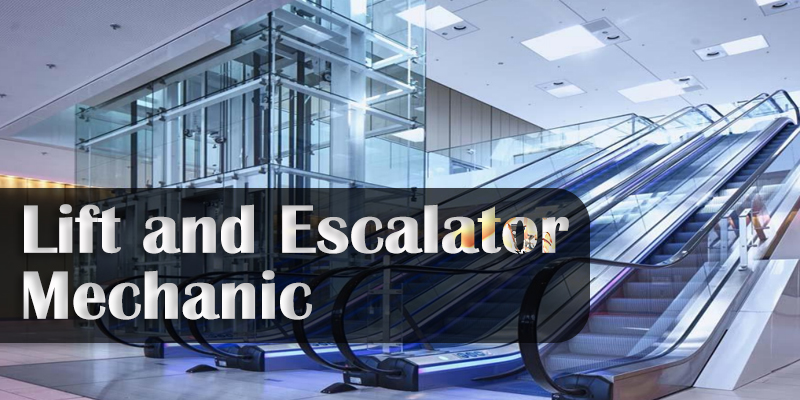
Lift and Escalator Mechanic
  • Trade Name: Lift and Escalator Mechanic
  • Duration: 2 Years (4 Semesters)
  • NSQF Level: Level 5
  • Eligibility: 10th Grade Pass with Science and Mathematics
By Anand | 3:07 PM IST, Mon April 28, 2025

🧵 Materials Used for Winding and Winding Wires in Small Transformers

In small transformers, the choice of winding materials is critical to ensure efficiency, reliability, and thermal stability. Different materials are selected based on their electrical conductivity, mechanical strength, and thermal endurance. 🌟

⚡ Common Materials Used for Winding

1. Copper Wire

  • Material: Electrolytic grade copper (99.9% pure)
  • Properties: High electrical conductivity, good mechanical strength, excellent thermal resistance
  • Advantages: Low resistance, minimal energy loss, long lifespan
  • Applications: Widely used in most small transformers for both primary and secondary windings

2. Aluminium Wire

  • Material: High-purity aluminium
  • Properties: Lower conductivity than copper but lighter in weight and cheaper
  • Advantages: Cost-effective, lightweight
  • Applications: Used in some low-cost or weight-sensitive transformer designs

🛡️ Insulation Materials for Winding Wires

1. Enamel Coating (Magnet Wire)

  • Winding wires are coated with a thin layer of insulating enamel (polyurethane, polyester, or polyimide).
  • Provides electrical insulation between turns and layers of wire.

2. Paper or Fiber Insulation

  • Used between layers of windings in transformers.
  • Provides mechanical support and additional insulation.

3. Mylar Film or Nomex Paper

  • High-temperature-resistant insulation materials.
  • Provide added safety in high-load or high-temperature applications.

🔍 Types of Winding Wires

1. Round Wire

Commonly used for small power transformers where the winding space is not a critical concern.

2. Rectangular or Square Wire

Used where better space utilization and mechanical stability are required, typically in high-current applications.

3. Litz Wire

Composed of many thin wire strands individually insulated and twisted together to reduce skin effect losses at high frequencies. Mainly used in high-frequency transformers.

🏗️ Important Characteristics of Winding Materials

  • High electrical conductivity 🔌
  • Good thermal resistance 🌡️
  • High mechanical strength 🛠️
  • Good insulation strength 🧷
  • Resistance to chemical corrosion 🧪

✅ Selection Criteria for Winding Materials

  • Transformer size and rating
  • Operating temperature
  • Frequency of operation
  • Cost constraints
  • Mechanical durability requirements

🌟 Conclusion

The choice of winding material in small transformers significantly affects performance, efficiency, and durability. Copper remains the preferred choice due to its superior conductivity, but aluminium is also used for economical solutions. Proper insulation and material quality ensure the reliability and safety of transformer operations. ⚡🛡️

Electrician

All Language Post

Materials used for winding and winding wires in small transformer.

Book

  • Advantages of AC poly-phase system
  • Magnetic terms
  • First aid safety practice
  • Estimation of load, cable size, bill of material and cost.
  • PVC conduit and Casing-capping wiring system
  • I.E. rules on electrical wiring
  • Chemical effect of electric current and Laws of electrolysis
  • Comparison and Advantages of DC and AC systems
  • Laws of Resistance and various types of resistors
  • Ohm’s Law
  • Underground Cable
  • Joints in electrical conductors
  • Fundamentals of electricity, definitions, units & effects of electric current
  • Marking tools
  • Allied trades: Introduction to fitting tools, safety precautions
  • Concept of Standards and advantages of BIS/ISI
  • Scope of the electrician trade

Question Paper

Electrician
Electrician (Practical) – Semester II 18/A/C/S-2/4/E
Sem - 4 4/July/ 2018
Electrician (Practical) – Semester II 17IA/C/S-2/4/E
Sem - 2 2/July/ 2018
ITI Electrician First Semester Model Paper
Trade Theory Semester 2 JULY 2018
Trade Theory Semester 1 January 2018
Practical Examination – Semester I Session: 2017–2018
Electrician (Practical) – Semester IV 4 jan 18
Sem - 4 4/ July/2017
sem - 1 1/July/2018
Electrician (Practical) – Semester IV 4 jan 2018
Practical Examination – Semester I 1 july 2018
Electrician (Practical) – Semester II 3 july 2018
Electrician (Practical) – Semester III 3 july 2017
Electrician (Practical) – Semester III 3 jan 2018
Electrician (Practical) – Semester II 2 july 2018
Electrician (Practical) – Semester II 2 july 2017
Sem - 1 1/July/2017
ઇલેક્ટ્રિશિયન
ITI Electrician First Semester Model Paper
इलेक्ट्रीशियन
ITI इलेक्ट्रीशियन ट्रेड First Semester Model Paper
Electrician 2nd Semester Question Paper in Hindi
ITI इलेक्ट्रीशियन 4th सेमेस्टर में पूछे गए प्रश्न

Common Subject

  • Engineering Drawing
  • Employability Skills
  • Workshop Calculation Science

Directory

  • Industrial Training Institutes
  • Engineering College
  • Medical College

Knowledge Bank

  • ITI Syllabus
  • Tools

Student Friend

  • ITI Admission
  • ITI Jobs
  • ITI Hunnarbaaz
  • Get ITI Website

Trade

Electrician
Wireman
Electroplater
Electrician Power Distribution
Lift and Escalator Mechanic

Electrician + Wireman + Electroplater + Electrician Power Distribution + Lift and Escalator Mechanic | ITI Fitter | ITI COPA | ITI Welder | ITI Mechanic | ITI Electronics | Agriculture + Horticulture + Floriculture | ITI Draughtsman Civil & Mech | ITI Refrigeration & Air Conditioning | ITI Turner | ITI Plumber | ITI Machinist | ITI Cosmetology | ITI Sewing | ITI Surveyor

Copyright © 2026 ITI Directory - All rights reserved

Developed and Designed by ITI Directory