
Skip to header Skip to main navigation Skip to main content Skip to footer

User account menu

  • Log in
Home
Electrician ITI
ITI Trade Electrician, Wireman

Main navigation

  • Home
  • Book
  • Question Paper
  • Trade Syllabus
  • वायरमैन
    • WIREMAN Assessment Criteria
    • WIREMAN Course Information
    • WIREMAN General Information
    • WIREMAN Job Role
    • WIREMAN Learning Outcomes
    • WIREMAN Training System
  • इलेक्ट्रीशियन
  • ITI Tools
    • Employability Skills (opens in new tab)
    • Engineering Drawing (opens in new tab)
    • Hunnarbaaz (opens in new tab)
    • Syllabus (opens in new tab)
    • Workshop Calculation and Science (opens in new tab)

Wireman

Breadcrumb

  • Home
  • Wireman
  • English
  • Hindi
  • Bengali
  • Malayalam
  • Gujarati
ITI Trade: Electrician
Electrician

ITI Trade: Electrician

Course Overview

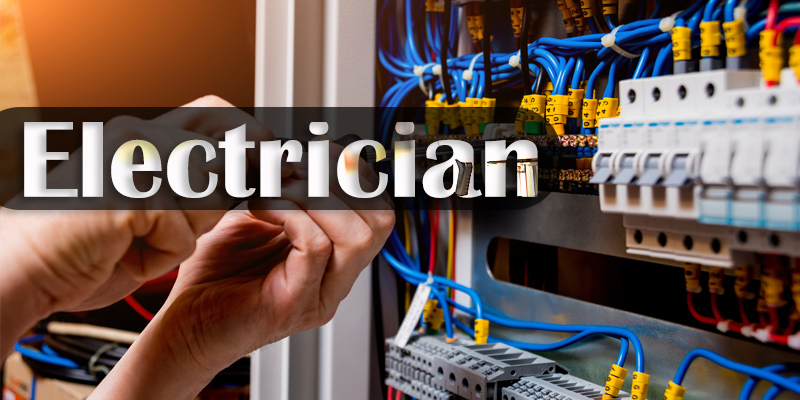
This two-year Electrician trade course is offered under the Craftsman Training Scheme (CTS) by the National Council for Vocational Training (NCVT). It trains students in electrical installation, maintenance, and repair, preparing them for roles such as electrician, wireman, or electrical technician.

The course includes:

Trade Name: Wireman
Wireman

Course Overview

  • Trade Name: Wireman
  • Duration: 2 Years (4 Semesters)
  • NSQF Level: Level 5
  • Eligibility: 8th Grade Pass
ITI Electroplater Trade
Electroplater

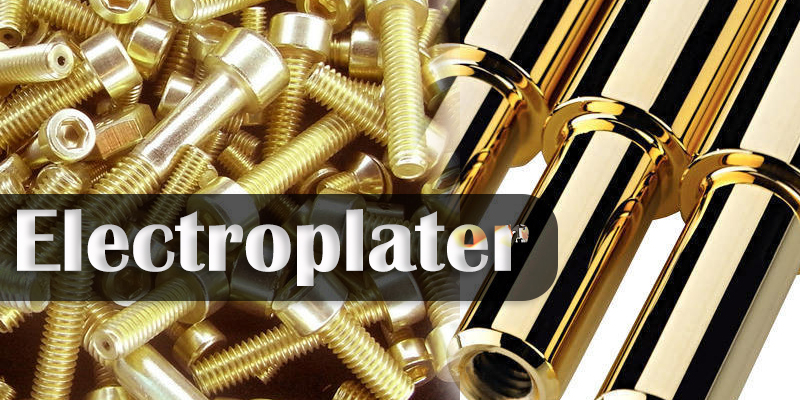
The ITI "Electroplater" trade is a two-year vocational training program under the Craftsman Training Scheme (CTS), governed by the National Council for Vocational Training (NCVT). This course equips trainees with skills in electroplating techniques, surface preparation, and the application of protective and decorative coatings on metal surfaces.

Electrician Power Distribution

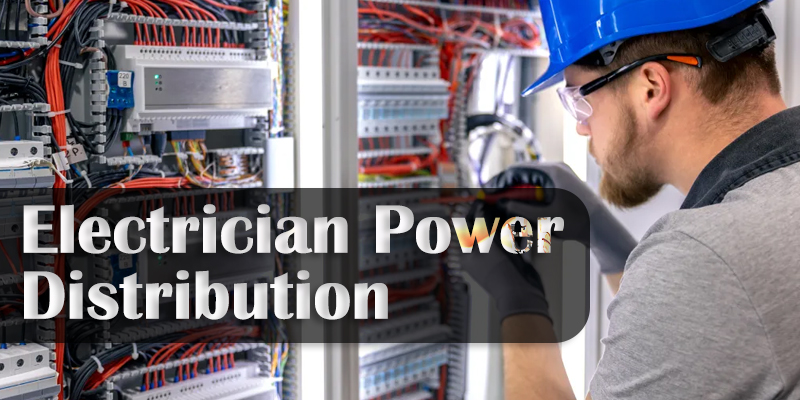
The Electrician (Power Distribution) ITI trade is a 2-year NSQF Level 4/5 course focused on installing, operating, maintaining, and repairing electrical power distribution systems. It covers transformers, overhead lines, underground cables, switchgear, and safety procedures, preparing technicians for roles in electricity boards, utilities, and industries. 

Key Details

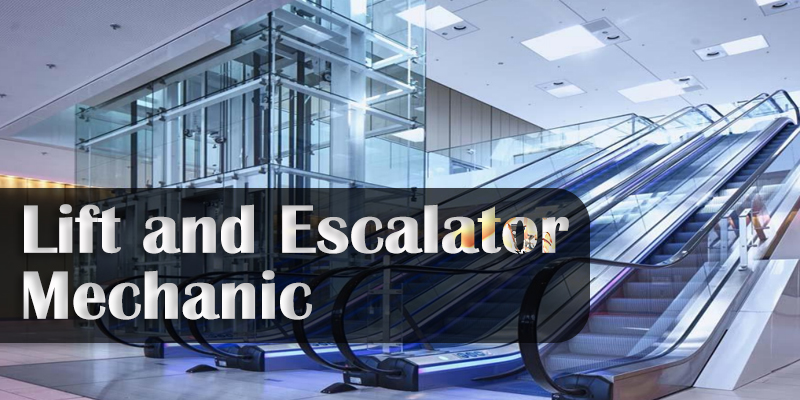
Lift and Escalator Mechanic
  • Trade Name: Lift and Escalator Mechanic
  • Duration: 2 Years (4 Semesters)
  • NSQF Level: Level 5
  • Eligibility: 10th Grade Pass with Science and Mathematics
Trade Name: Wireman

Course Overview

  • Trade Name: Wireman
  • Duration: 2 Years (4 Semesters)
  • NSQF Level: Level 5
  • Eligibility: 8th Grade Pass
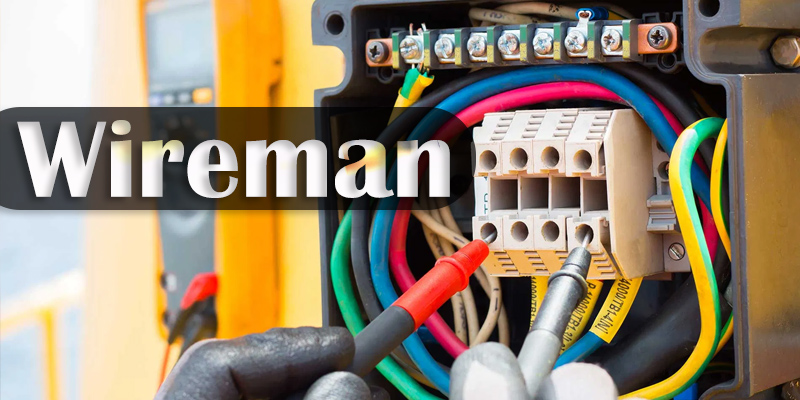
  • Objective: To train candidates in installing, maintaining, and repairing electrical wiring systems, enabling them to work as wiremen, electricians, or maintenance technicians in construction, manufacturing, or power distribution sectors, or pursue self-employment as electrical contractors.
  • Certification: National Trade Certificate (NTC) by NCVT

Detailed Syllabus

Semester 1

Trade Theory

  • Introduction to Electricity: Fundamentals of current, voltage, resistance; Ohm’s Law, Kirchhoff’s Laws.
  • Electrical Materials: Conductors (copper, aluminum), insulators (PVC, rubber), cables, and their specifications.
  • Wiring Systems: Types (cleat, casing-capping, conduit), applications, IS/IEC standards.
  • Hand Tools: Pliers, screwdrivers, testers, hammers; usage, maintenance, and safety.
  • Safety Practices: Electrical hazards, shock prevention, PPE (gloves, boots), fire extinguishers, first aid.
  • Basic Circuits: Series, parallel circuits; simple circuit calculations, power measurement.
  • Measuring Instruments: Ammeter, voltmeter, wattmeter, multimeter; principles and usage.

Trade Practical

  • Tool Handling: Practicing with pliers, screwdrivers, crimping tools; sharpening and maintenance.
  • Wiring Practice: Installing cleat and casing-capping wiring for single-phase circuits.
  • Safety Drills: Using PPE, earthing systems, simulating shock rescue procedures.
  • Circuit Assembly: Connecting series/parallel circuits; measuring current, voltage with multimeters.
  • Cable Jointing: Preparing straight, T-joints, and Britannia joints for cables.
  • Instrument Usage: Testing circuits with megger, continuity testers; recording readings.
  • Project Work: Wiring a single-room lighting circuit with switch and socket, ensuring safety compliance.

Hours: Theory: 160 hours | Practical: 240 hours


Semester 2

Trade Theory

  • AC Fundamentals: Alternating current, phase, frequency; single-phase vs. three-phase systems.
  • Wiring Accessories: Switches, sockets, MCBs, ELCBs, distribution boards; selection criteria.
  • Conduit Wiring: Types (PVC, metallic), bending, threading, installation techniques.
  • Earthing Systems: Plate earthing, pipe earthing; importance, testing methods.
  • Electrical Appliances: Fans, heaters, irons; construction, wiring, and faults.
  • Illumination: Types of lamps (incandescent, fluorescent, LED), lux levels, lighting design basics.
  • Workshop Management: Inventory control, tool maintenance, 5S methodology.

Trade Practical

  • Conduit Installation: Bending and fixing PVC/metal conduits; wiring single-phase circuits.
  • Earthing Practice: Installing pipe earthing; measuring earth resistance with earth tester.
  • Appliance Wiring: Connecting ceiling fans, water heaters; testing for functionality.
  • Lighting Circuits: Wiring fluorescent/LED lights with starters, ballasts; measuring illumination.
  • Fault Finding: Diagnosing faults in domestic wiring (open circuit, short circuit) using testers.
  • MCB/ELCB Testing: Installing and testing MCBs/ELCBs in distribution boards.
  • Project Work: Wiring a multi-room residential setup with lighting, fan, and power sockets.

Hours: Theory: 160 hours | Practical: 240 hours


Semester 3

Trade Theory

  • Electrical Machines: Transformers, DC motors, single-phase motors; working principles, applications.
  • Three-Phase Systems: Star and delta connections, power measurement, phase sequence.
  • Industrial Wiring: LT/HT cables, busbars, panel boards; wiring for motors, starters.
  • Switchgear: Relays, contactors, circuit breakers; types, ratings, and operations.
  • Energy Meters: Single-phase and three-phase meters, CT/PT connections, tariff systems.
  • Preventive Maintenance: Schedules for wiring systems, motors, and switchgear.
  • Electrical Estimation: Material takeoff, costing for domestic/industrial installations.

Trade Practical

  • Motor Wiring: Connecting single-phase motors with DOL starters; reversing rotation.
  • Three-Phase Wiring: Wiring star/delta circuits; measuring power with two-wattmeter method.
  • Panel Board Setup: Assembling distribution panels with busbars, MCBs, and meters.
  • Transformer Testing: Checking transformer polarity, insulation resistance; simple connections.
  • Switchgear Operation: Testing relays, contactors; simulating overload conditions.
  • Meter Installation: Installing and testing single-phase energy meters; recording readings.
  • Project Work: Designing and wiring an industrial motor control circuit with starter and safety devices.

Hours: Theory: 160 hours | Practical: 240 hours


Semester 4

Trade Theory

  • Advanced Wiring Systems: Underground cables, overhead lines, cable tray installations.
  • Power Distribution: Substations, feeder lines, load balancing; APFC panels.
  • Renewable Energy: Solar PV systems, wind power basics, battery backup wiring.
  • Troubleshooting: Diagnosing complex faults in wiring, motors, and control circuits.
  • Entrepreneurship: Starting an electrical contracting business, licensing, tendering.
  • Electrical Codes: NEC, IS/IEC standards, building wiring regulations.
  • Environmental Safety: E-waste management, energy conservation, green building concepts.

Trade Practical

  • Underground Wiring: Laying and jointing LT cables; testing insulation with megger.
  • Solar Installation: Wiring solar panels, inverters, batteries; measuring output.
  • Troubleshooting: Repairing faults in three-phase circuits, control panels, and motors.
  • APFC Panel: Assembling and testing automatic power factor correction panels.
  • Industrial Exposure: Hands-on training in electrical contracting firms or industries (4-6 weeks).
  • Estimation Practice: Preparing material lists, cost estimates for a commercial wiring project.
  • Project Work: Installing and testing a complete commercial wiring system with lighting, power, and metering.

Hours: Theory: 160 hours | Practical: 240 hours


Additional Components
  • Workshop Calculation and Science
    • Calculations: Load calculations, cable sizing, power factor, transformer ratings.
    • Science: Electromagnetism, AC waveforms, thermodynamics in motors.
    • Hours: 80 hours/year
  • Engineering Drawing
    • Reading and drawing wiring diagrams, single-line diagrams, panel layouts.
    • Hours: 80 hours/year
  • Employability Skills
    • Communication: Client interaction, reporting faults, teamwork.
    • IT Literacy: Using software for wiring design, online documentation.
    • Soft Skills: Time management, resume writing, interview preparation.
    • Hours: 60 hours/year

Assessment and Certification

  • Exams:
    • Theory: Written exams per semester (MCQs, descriptive questions).
    • Practical: Tasks like wiring installations, fault diagnosis, meter connections.
  • Evaluation Criteria: Wiring accuracy, safety adherence, troubleshooting skills, project quality.
  • Certification: NCVT National Trade Certificate (NTC) upon passing all semesters, recognized globally.

Career Opportunities

  • Employment: Wireman, electrician, maintenance technician in construction, manufacturing, or power utilities.
  • Self-Employment: Electrical contractor, wiring service provider, consultancy.
  • Further Studies: Diploma in Electrical Engineering, CITS in Electrician, or certifications in solar installation.

Types of Accidents in Industry and Their Prevention

By Anand | 8:25 PM IST, Mon March 23, 2026

Types of Accidents in Industry and Their Prevention

Industrial workplaces such as factories, construction sites, and workshops involve various types of machines, tools, chemicals, and electrical equipment. While these resources help in production and manufacturing, they also create certain risks for workers. If proper safety precautions are not followed, accidents can occur that may cause injuries, damage to property, and even loss of life.

Wireman
  • Read more about Types of Accidents in Industry and Their Prevention
  • Log in or register to post comments

Occupational Safety and Health – Meaning, Importance and Safety Measures

By Anand | 8:24 PM IST, Mon March 23, 2026

Occupational Safety and Health – Meaning, Importance and Safety Measures

Occupational Safety and Health (OSH) refers to the protection of workers from hazards, injuries, and diseases that may occur in the workplace. In industries and workshops, workers often handle machines, electrical equipment, chemicals, and heavy tools. These activities may create dangerous situations if proper safety measures are not followed.

Wireman
  • Read more about Occupational Safety and Health – Meaning, Importance and Safety Measures
  • Log in or register to post comments

Can I Start My Own Business After Doing ITI in Electronics Trade?

By Anand | 8:22 PM IST, Mon March 23, 2026

Can I Start My Own Business After Doing ITI in Electronics Trade?

Yes, you can definitely start your own business after completing ITI in Electronics trade. Electronics is one of the fastest-growing technical fields in the modern world. Almost every home, office, industry, and commercial establishment uses electronic devices such as televisions, computers, mobile phones, communication equipment, and home appliances. Because these devices require regular maintenance and repair, skilled electronics technicians have excellent opportunities to start their own businesses.

Wireman
  • Read more about Can I Start My Own Business After Doing ITI in Electronics Trade?
  • Log in or register to post comments

What is the Scope in Government Jobs after Doing ITI in Electronics?

By Anand | 8:19 PM IST, Mon March 23, 2026

What is the Scope in Government Jobs after Doing ITI in Electronics?

The ITI Electronics trade is one of the most important vocational training courses in the technical education system of India. This course provides students with practical knowledge and technical skills related to electronic circuits, communication systems, electronic devices, and control equipment. Because electronic technology is widely used in many sectors, skilled electronics technicians are required in several government departments and public sector organizations.

Wireman
  • Read more about What is the Scope in Government Jobs after Doing ITI in Electronics?
  • Log in or register to post comments

Benefits of Doing ITI in Wireman Trade

By Anand | 8:13 PM IST, Mon March 23, 2026

Benefits of Doing ITI in Wireman Trade

The ITI Wireman trade is an important vocational training program offered by Industrial Training Institutes (ITI) in India. This course focuses on electrical wiring, installation, maintenance, and repair of electrical systems used in homes, commercial buildings, and industrial facilities. As electricity is an essential part of modern infrastructure, skilled wiremen are required in many sectors.

Wireman
  • Read more about Benefits of Doing ITI in Wireman Trade
  • Log in or register to post comments

WIREMAN Assessment Criteria

WIREMAN Assessment Criteria

Assessment in the Wireman trade is conducted to evaluate the knowledge, practical skills, and professional attitude of trainees during the training program. The assessment system includes both formative assessment and summative assessment.

Formative Assessment

Formative assessment is conducted continuously during the training period. Instructors evaluate trainees based on their workshop performance, assignments, project work, and participation in practical activities.

  • Read more about WIREMAN Assessment Criteria

WIREMAN Learning Outcomes

WIREMAN Learning Outcomes

Learning outcomes define the competencies that trainees must achieve during the Wireman training program. These outcomes ensure that trainees acquire the knowledge and practical skills required for electrical installation and maintenance work.

  • Read more about WIREMAN Learning Outcomes

WIREMAN General Information

WIREMAN General Information

The Wireman trade is a two-year vocational training program aligned with the National Skills Qualification Framework (NSQF) Level-4. The program is designed to produce skilled electrical technicians capable of installing and maintaining electrical systems.

  • Read more about WIREMAN General Information

WIREMAN Job Role

WIREMAN Job Role

A Wireman is responsible for installing, maintaining, and repairing electrical wiring systems in homes, factories, workshops, and commercial establishments. The wireman studies wiring diagrams and installation plans before starting electrical installation work.

The primary responsibility of a wireman is to install different types of wiring systems such as cleat wiring, conduit wiring, casing-capping wiring, and concealed wiring. The wireman also installs electrical accessories such as switches, sockets, meters, fuse units, and distribution boards.

  • Read more about WIREMAN Job Role

WIREMAN Course Information

WIREMAN Course Information

The Wireman trade is a vocational training program offered under the Craftsmen Training Scheme (CTS) by the Directorate General of Training (DGT), Ministry of Skill Development and Entrepreneurship, Government of India. This course is designed to train candidates in electrical wiring installation, maintenance, and troubleshooting of electrical systems used in residential, commercial, and industrial environments.

  • Read more about WIREMAN Course Information
Subscribe to Wireman

Book

  • Advantages of AC poly-phase system
  • Magnetic terms
  • First aid safety practice
  • Estimation of load, cable size, bill of material and cost.
  • PVC conduit and Casing-capping wiring system
  • I.E. rules on electrical wiring
  • Chemical effect of electric current and Laws of electrolysis
  • Comparison and Advantages of DC and AC systems
  • Laws of Resistance and various types of resistors
  • Ohm’s Law
  • Underground Cable
  • Joints in electrical conductors
  • Fundamentals of electricity, definitions, units & effects of electric current
  • Marking tools
  • Allied trades: Introduction to fitting tools, safety precautions
  • Concept of Standards and advantages of BIS/ISI
  • Scope of the electrician trade

Question Paper

Electrician
Electrician (Practical) – Semester II 18/A/C/S-2/4/E
Sem - 4 4/July/ 2018
Electrician (Practical) – Semester II 17IA/C/S-2/4/E
Sem - 2 2/July/ 2018
ITI Electrician First Semester Model Paper
Trade Theory Semester 2 JULY 2018
Trade Theory Semester 1 January 2018
Practical Examination – Semester I Session: 2017–2018
Electrician (Practical) – Semester IV 4 jan 18
Sem - 4 4/ July/2017
sem - 1 1/July/2018
Electrician (Practical) – Semester IV 4 jan 2018
Practical Examination – Semester I 1 july 2018
Electrician (Practical) – Semester II 3 july 2018
Electrician (Practical) – Semester III 3 july 2017
Electrician (Practical) – Semester III 3 jan 2018
Electrician (Practical) – Semester II 2 july 2018
Electrician (Practical) – Semester II 2 july 2017
Sem - 1 1/July/2017
ઇલેક્ટ્રિશિયન
ITI Electrician First Semester Model Paper
इलेक्ट्रीशियन
ITI इलेक्ट्रीशियन ट्रेड First Semester Model Paper
Electrician 2nd Semester Question Paper in Hindi
ITI इलेक्ट्रीशियन 4th सेमेस्टर में पूछे गए प्रश्न

Common Subject

  • Engineering Drawing
  • Employability Skills
  • Workshop Calculation Science

Directory

  • Industrial Training Institutes
  • Engineering College
  • Medical College

Knowledge Bank

  • ITI Syllabus
  • Tools

Student Friend

  • ITI Admission
  • ITI Jobs
  • ITI Hunnarbaaz
  • Get ITI Website

Trade

Electrician
Wireman
Electroplater
Electrician Power Distribution
Lift and Escalator Mechanic

Electrician + Wireman + Electroplater + Electrician Power Distribution + Lift and Escalator Mechanic | ITI Fitter | ITI COPA | ITI Welder | ITI Mechanic | ITI Electronics | Agriculture + Horticulture + Floriculture | ITI Draughtsman Civil & Mech | ITI Refrigeration & Air Conditioning | ITI Turner | ITI Plumber | ITI Machinist | ITI Cosmetology | ITI Sewing | ITI Surveyor

Copyright © 2026 ITI Directory - All rights reserved

Developed and Designed by ITI Directory