Skip to header Skip to main navigation Skip to main content Skip to footer

User account menu

  • Log in
Home
Electrician ITI
ITI Trade Electrician, Wireman

Main navigation

  • Home
  • Book
  • Question Paper
  • Trade Syllabus
  • वायरमैन
    • WIREMAN Assessment Criteria
    • WIREMAN Course Information
    • WIREMAN General Information
    • WIREMAN Job Role
    • WIREMAN Learning Outcomes
    • WIREMAN Training System
  • इलेक्ट्रीशियन
  • ITI Tools
    • Employability Skills (opens in new tab)
    • Engineering Drawing (opens in new tab)
    • Hunnarbaaz (opens in new tab)
    • Syllabus (opens in new tab)
    • Workshop Calculation and Science (opens in new tab)

Electrician

Breadcrumb

  • Home
  • Electrician
  • English
  • Hindi
  • Bengali
  • Malayalam
  • Gujarati
ITI Trade: Electrician
Electrician

ITI Trade: Electrician

Course Overview

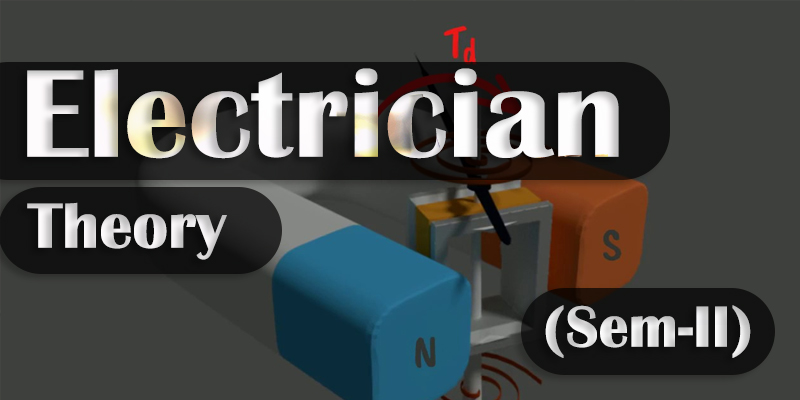
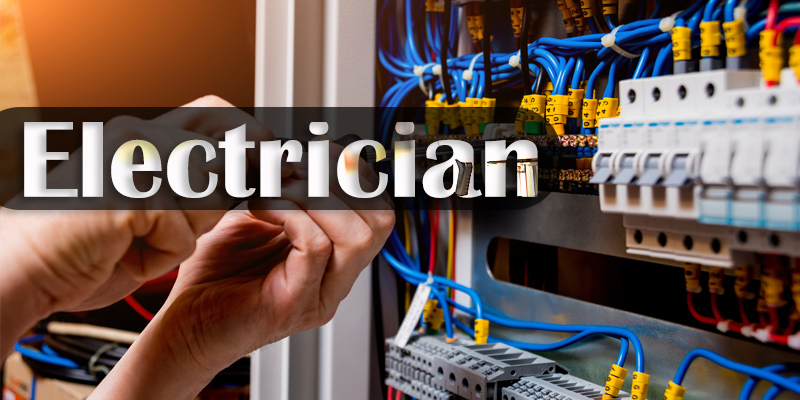
This two-year Electrician trade course is offered under the Craftsman Training Scheme (CTS) by the National Council for Vocational Training (NCVT). It trains students in electrical installation, maintenance, and repair, preparing them for roles such as electrician, wireman, or electrical technician.

The course includes:

Trade Name: Wireman
Wireman

Course Overview

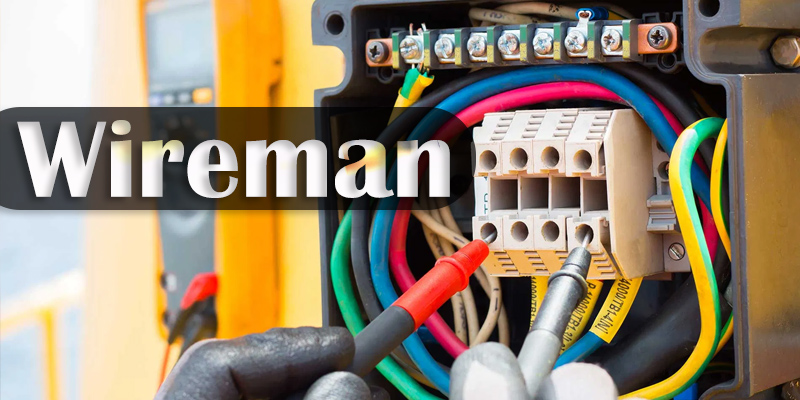
  • Trade Name: Wireman
  • Duration: 2 Years (4 Semesters)
  • NSQF Level: Level 5
  • Eligibility: 8th Grade Pass
ITI Electroplater Trade
Electroplater

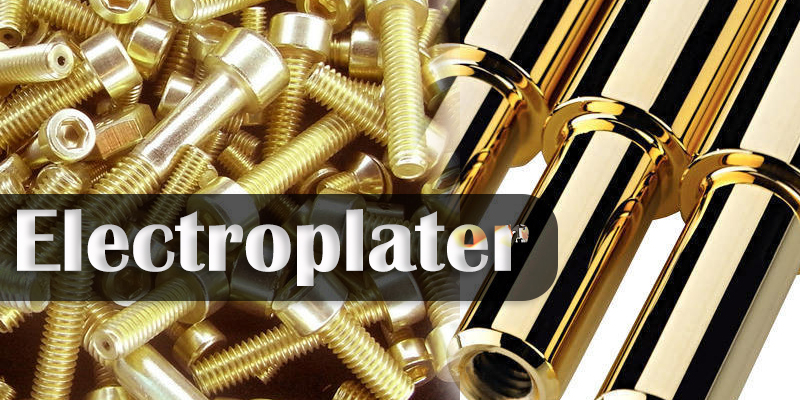
The ITI "Electroplater" trade is a two-year vocational training program under the Craftsman Training Scheme (CTS), governed by the National Council for Vocational Training (NCVT). This course equips trainees with skills in electroplating techniques, surface preparation, and the application of protective and decorative coatings on metal surfaces.

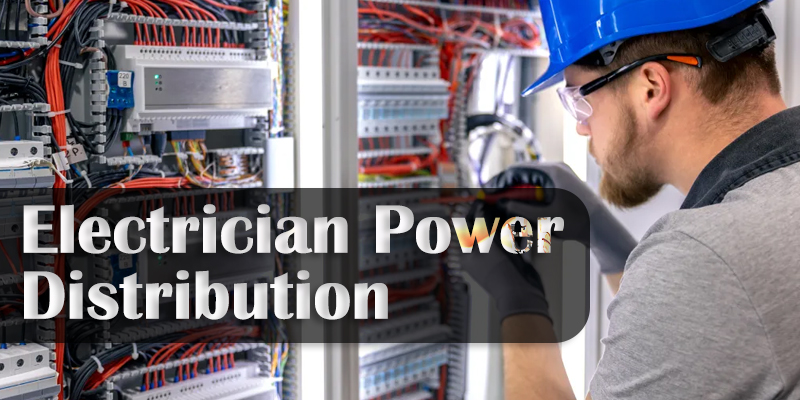
Electrician Power Distribution

The Electrician (Power Distribution) ITI trade is a 2-year NSQF Level 4/5 course focused on installing, operating, maintaining, and repairing electrical power distribution systems. It covers transformers, overhead lines, underground cables, switchgear, and safety procedures, preparing technicians for roles in electricity boards, utilities, and industries. 

Key Details

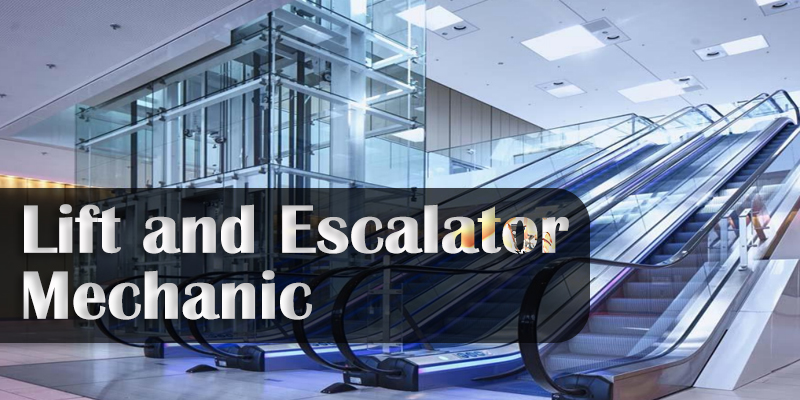
Lift and Escalator Mechanic
  • Trade Name: Lift and Escalator Mechanic
  • Duration: 2 Years (4 Semesters)
  • NSQF Level: Level 5
  • Eligibility: 10th Grade Pass with Science and Mathematics
ITI Trade: Electrician

ITI Trade: Electrician

Course Overview

This two-year Electrician trade course is offered under the Craftsman Training Scheme (CTS) by the National Council for Vocational Training (NCVT). It trains students in electrical installation, maintenance, and repair, preparing them for roles such as electrician, wireman, or electrical technician.

The course includes:

  • Trade Theory
  • Trade Practical
  • Workshop Calculation & Science
  • Engineering Drawing
  • Employability Skills

1. Trade Theory

This section provides theoretical knowledge of electrical systems, equipment, and safety measures.

First Year

  • Introduction to Electrician Trade
    • Importance and scope of the trade
    • Role of electricians in different industries
  • Basic Electricity
    • Basics of current, voltage, resistance, and power
    • Ohm’s Law and its applications
    • Series and parallel circuits
  • Electrical Tools and Equipment
    • Hand tools: pliers, screwdrivers, testers – use and maintenance
    • Power tools: drill, grinder – operation and safety
  • Wiring Systems
    • Types: domestic, commercial, industrial wiring
    • Conductors, insulators, and cables – properties and selection
    • Wiring accessories: switches, sockets, junction boxes
  • Safety Measures
    • Electrical hazards, earthing, shock prevention
    • Personal protective equipment: gloves, helmet, shoes
    • First aid for electrical accidents
  • Electrical Components
    • Resistors, capacitors, inductors – functions and ratings
    • Fuse, circuit breaker, relay – working
  • Measuring Instruments
    • Use of multimeter, ammeter, voltmeter, ohmmeter
    • Measurement of electrical parameters

Second Year

  • Advanced Electrical Systems
    • Basics of AC and DC; single-phase and three-phase systems
    • Transformers – types, construction, uses
    • Motors – DC, induction, synchronous
  • Power Distribution
    • Domestic and industrial supply systems
    • Earthing systems – plate and pipe earthing
    • Load calculation and energy conservation
  • Electrical Machines
    • Generators – construction and operation
    • Motor starters and control circuits
  • Renewable Energy
    • Basics of solar and wind energy systems
    • Installation of solar panels and inverters
  • Maintenance & Troubleshooting
    • Preventive and corrective maintenance
    • Fault identification in wiring and machines
  • Rules and Standards
    • Indian electrical rules and safety codes
    • Energy efficiency standards

2. Trade Practical

This section focuses on skill development through practical work.

First Year

  • Basic Skills
    • Use and maintenance of tools
    • Wire cutting, insulation removal, joint making
    • Electrical measurement using tester and multimeter
  • Wiring Practice
    • Simple wiring: single switch, two-way switch, sockets
    • Conduit, casing-capping, concealed wiring
    • Connecting tube light, ceiling fan, bell
  • Safety Practice
    • Earthing installation (plate & pipe methods)
    • First aid demonstration for electric shock
  • Component Testing
    • Continuity test of resistors, capacitors, fuse
    • Simple circuits on breadboard

Second Year

  • Advanced Wiring
    • Three-phase wiring installation
    • Motor control circuits with starters (DOL, star-delta)
  • Machine Operation
    • Assembling and dismantling motors and transformers
    • Operation and testing of generators and inverters
  • Renewable Energy Practice
    • Installation of solar panel and battery
    • Output measurement of solar system
  • Maintenance & Repair
    • Repair of fan, iron, heater
    • Fault detection and correction
  • Project Work
    • Design and install complete house wiring
    • Industrial control circuit with safety features

3. Workshop Calculation & Science

  • Calculations
    • Power, energy, load (kW, kWh)
    • Resistance, capacitance, inductance
  • Science
    • Magnetism and electromagnetic induction
    • Properties of conductors and insulators

4. Engineering Drawing

  • Basics
    • Electrical symbols and circuit diagrams
    • Single-line and wiring diagrams
  • Advanced
    • Layout for domestic and industrial installations
    • Motor and transformer winding diagrams

5. Employability Skills

  • Communication Skills
    • Interaction with supervisors, customers, coworkers
  • Workplace Skills
    • Time management, teamwork, problem-solving

Course Details

  • Duration: 2 years (4 semesters, 6 months each)
  • Eligibility: 10th pass (with Science & Mathematics)
  • Objective: To train individuals in electrical installation, maintenance, and repair for careers in construction, manufacturing, power sector, or self-employment

Note: This course is based on NCVT Electrician trade structure. Minor changes may occur depending on state or ITI. For the latest version, refer to DGT or your local ITI

Can I Start My Own Business After Doing ITI in Electrician Trade?

By iti | 8:14 PM IST, Sat August 08, 2026

Can I Start My Own Business After Doing ITI in Electrician Trade?

Yes, you can definitely start your own business after completing the ITI Electrician trade. In fact, the electrician profession is one of the most suitable fields for self-employment. Electricity is essential in every home, office, shop, factory, and commercial building. Because electrical systems require installation, maintenance, and repair, skilled electricians are always needed.

Electrician
  • Read more about Can I Start My Own Business After Doing ITI in Electrician Trade?
  • Log in or register to post comments

आईटीआई इलेक्ट्रीशियन करने के बाद सरकारी नौकरी में अवसर

By iti | 8:11 PM IST, Sat August 08, 2026

आईटीआई इलेक्ट्रीशियन करने के बाद सरकारी नौकरी में अवसर

आईटीआई इलेक्ट्रीशियन ट्रेड भारत में सबसे लोकप्रिय और सम्मानित तकनीकी कोर्सों में से एक है। आधुनिक जीवन में बिजली की बहुत महत्वपूर्ण भूमिका है। घरों, उद्योगों, रेलवे, अस्पतालों और संचार प्रणालियों के संचालन के लिए बिजली आवश्यक होती है। इसलिए विद्युत प्रणालियों की स्थापना और रखरखाव के लिए प्रशिक्षित इलेक्ट्रीशियन की हमेशा आवश्यकता रहती है।

Electrician
  • Read more about आईटीआई इलेक्ट्रीशियन करने के बाद सरकारी नौकरी में अवसर
  • Log in or register to post comments

Scope in Government Jobs after Doing ITI in Electrician

By iti | 8:11 PM IST, Sat August 08, 2026

Scope in Government Jobs after Doing ITI in Electrician

The ITI Electrician trade is one of the most respected and widely demanded vocational courses in India. Electricity plays a crucial role in modern life, powering homes, industries, transportation systems, and communication networks. Because electrical systems require proper installation and regular maintenance, trained electricians are always needed in both the private and government sectors.

Electrician
  • Read more about Scope in Government Jobs after Doing ITI in Electrician
  • Log in or register to post comments

आईटीआई इलेक्ट्रीशियन ट्रेड करने के लाभ

By iti | 8:09 PM IST, Sat August 08, 2026

आईटीआई इलेक्ट्रीशियन ट्रेड करने के लाभ

आईटीआई इलेक्ट्रीशियन ट्रेड भारत में उपलब्ध सबसे लोकप्रिय और महत्वपूर्ण व्यावसायिक कोर्सों में से एक है। आधुनिक जीवन में बिजली का बहुत महत्वपूर्ण स्थान है और लगभग हर घर, कार्यालय, उद्योग और फैक्ट्री बिजली पर निर्भर करते हैं। इसलिए प्रशिक्षित इलेक्ट्रीशियन की मांग हमेशा बनी रहती है।

Electrician
  • Read more about आईटीआई इलेक्ट्रीशियन ट्रेड करने के लाभ
  • Log in or register to post comments

Electrician

By iti | 9:36 AM IST, Fri August 07, 2026
  • Visit various sections of the institutes and location of electrical installations. 
  •  Identify safety symbols and hazards. 
  • Preventive measures for electrical accidents and practice steps to be taken in such accidents. 
  •  Practice safe methods of fire fighting in case of electrical fire. 
  • Use of fire extinguishers. 
  •  Practice elementary first aid. 
  •  Rescue a person and practice artificial respiration. 
  •  Disposal procedure of waste materials. 
  • Use of personal pr
  • Read more about Electrician

Electrician T2

By iti | 9:29 AM IST, Fri August 07, 2026
  • Chemical effect of electric current and Laws of electrolysis. Explanation of Anodes and cathodes. Types of cells, advantages / disadvantages and their applications. Lead acid cell; Principle of operation and components. Types of battery charging, Safety precautions, test equipment and maintenance. Basic principles of Electro-plating and cathodic protection Grouping of cells for specified voltage and current. Principle and operation of solar cell. 
  • I.E. rules on electrical wiring. Types of domestic and industrial wirings. Study of wiring accessories e.g.
  • Read more about Electrician T2

Employability Skills

By iti | 9:22 AM IST, Fri August 07, 2026

Hard skills are a person’s skill set and ability to perform a certain type of activity or task. Soft skills are a person’s ability to interact effectively with co-workers and customers. Hard skills are mainly applicable at the work place. Soft skills are broadly applicable both at and outside the work place. Soft skills complement the hard skills which are occupational requirement of a job. It also complements many other activities even outside the work place. Presently soft skills are increasingly sought out by employers in addition to standard qualification.

  • Read more about Employability Skills

Employability Skills

By iti | 9:22 AM IST, Fri August 07, 2026

Entrepreneurship Skills

Concept of Entreneurship 

  • Enterpreneur – Entrepreneurship – Enterprises:-
  • Conceptual issue
  • Entrepreneurship vs. management, Entrepreneurial
  • motivation. Performance & Record, Role & Function of entrepreneurs in relation to the enterprise & relation to
  • the economy, Source of business ideas, Entrepreneurial opportunities, The process of setting up a business.

Project Preparation & Marketing analysis

  • Read more about Employability Skills

Single Phase and three-phase system. Problems on A.C. circuits

By Anand | 2:56 PM IST, Tue August 04, 2026

⚡ Single Phase and Three-Phase System

In electrical power systems, single-phase and three-phase systems are the two most common methods used for distributing electrical power. Each has its own applications and advantages depending on the load and type of power required. Let’s dive into the differences and working principles of both systems. 🔋

  • Read more about Single Phase and three-phase system. Problems on A.C. circuits

Comparison and Advantages of DC and AC systems

By Anand | 2:49 PM IST, Tue August 04, 2026

⚡ Comparison and Advantages of DC and AC Systems 🔌

In the world of electrical power transmission, there are two primary forms of electrical current: Direct Current (DC) and Alternating Current (AC). Both systems are essential for various applications, but they have distinct characteristics, advantages, and limitations. In this section, we will compare both DC and AC systems, highlighting their differences and the advantages of each system. 🌍

  • Read more about Comparison and Advantages of DC and AC systems
Pagination
  • Page 1
  • Next page ››
Subscribe to Electrician

Book

  • Comparison and Advantages of DC and AC systems
  • Advantages of AC poly-phase system
  • Magnetic terms
  • First aid safety practice
  • Estimation of load, cable size, bill of material and cost.
  • PVC conduit and Casing-capping wiring system
  • I.E. rules on electrical wiring
  • Chemical effect of electric current and Laws of electrolysis
  • Laws of Resistance and various types of resistors
  • Ohm’s Law
  • Underground Cable
  • Joints in electrical conductors
  • Fundamentals of electricity, definitions, units & effects of electric current
  • Marking tools
  • Allied trades: Introduction to fitting tools, safety precautions
  • Concept of Standards and advantages of BIS/ISI
  • Scope of the electrician trade

Question Paper

Electrician
ITI Electrician First Semester Model Paper
Electrician (Practical) – Semester II 18/A/C/S-2/4/E
Sem - 4 4/July/ 2018
Electrician (Practical) – Semester II 17IA/C/S-2/4/E
Sem - 2 2/July/ 2018
Trade Theory Semester 2 JULY 2018
Trade Theory Semester 1 January 2018
Practical Examination – Semester I Session: 2017–2018
Electrician (Practical) – Semester IV 4 jan 18
Sem - 4 4/ July/2017
sem - 1 1/July/2018
Electrician (Practical) – Semester IV 4 jan 2018
Practical Examination – Semester I 1 july 2018
Electrician (Practical) – Semester II 3 july 2018
Electrician (Practical) – Semester III 3 july 2017
Electrician (Practical) – Semester III 3 jan 2018
Electrician (Practical) – Semester II 2 july 2018
Electrician (Practical) – Semester II 2 july 2017
Sem - 1 1/July/2017
ઇલેક્ટ્રિશિયન
ITI Electrician First Semester Model Paper
इलेक्ट्रीशियन
ITI इलेक्ट्रीशियन ट्रेड First Semester Model Paper
Electrician 2nd Semester Question Paper in Hindi
ITI इलेक्ट्रीशियन 4th सेमेस्टर में पूछे गए प्रश्न

Common Subject

  • Engineering Drawing
  • Employability Skills
  • Workshop Calculation Science

Directory

  • Industrial Training Institutes
  • Engineering College
  • Medical College

Knowledge Bank

  • ITI Syllabus
  • Tools

Student Friend

  • ITI Admission
  • ITI Jobs
  • ITI Hunnarbaaz
  • Get ITI Website

Trade

Electrician
Wireman
Electroplater
Electrician Power Distribution
Lift and Escalator Mechanic

Electrician + Wireman + Electroplater + Electrician Power Distribution + Lift and Escalator Mechanic | ITI Fitter | ITI COPA | ITI Welder | ITI Mechanic | ITI Electronics | Agriculture + Horticulture + Floriculture | ITI Draughtsman Civil & Mech | ITI Refrigeration & Air Conditioning | ITI Turner | ITI Plumber | ITI Machinist | ITI Cosmetology | ITI Sewing | ITI Surveyor

Copyright © 2026 ITI Directory - All rights reserved

Developed and Designed by ITI Directory