
ITI Trade: Electrician
Course Overview
This two-year Electrician trade course is offered under the Craftsman Training Scheme (CTS) by the National Council for Vocational Training (NCVT). It trains students in electrical installation, maintenance, and repair, preparing them for roles such as electrician, wireman, or electrical technician.
The course includes:
Course Overview
- Trade Name: Wireman
- Duration: 2 Years (4 Semesters)
- NSQF Level: Level 5
- Eligibility: 8th Grade Pass
The ITI "Electroplater" trade is a two-year vocational training program under the Craftsman Training Scheme (CTS), governed by the National Council for Vocational Training (NCVT). This course equips trainees with skills in electroplating techniques, surface preparation, and the application of protective and decorative coatings on metal surfaces.
The Electrician (Power Distribution) ITI trade is a 2-year NSQF Level 4/5 course focused on installing, operating, maintaining, and repairing electrical power distribution systems. It covers transformers, overhead lines, underground cables, switchgear, and safety procedures, preparing technicians for roles in electricity boards, utilities, and industries.
Key Details
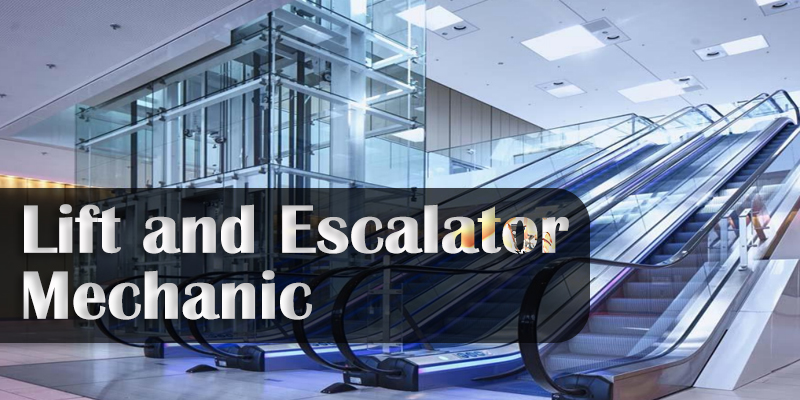
- Trade Name: Lift and Escalator Mechanic
- Duration: 2 Years (4 Semesters)
- NSQF Level: Level 5
- Eligibility: 10th Grade Pass with Science and Mathematics
ITI Trade: Electrician
Course Overview
This two-year Electrician trade course is offered under the Craftsman Training Scheme (CTS) by the National Council for Vocational Training (NCVT). It trains students in electrical installation, maintenance, and repair, preparing them for roles such as electrician, wireman, or electrical technician.
The course includes:
- Trade Theory
- Trade Practical
- Workshop Calculation & Science
- Engineering Drawing
- Employability Skills
1. Trade Theory
This section provides theoretical knowledge of electrical systems, equipment, and safety measures.
First Year
- Introduction to Electrician Trade
- Importance and scope of the trade
- Role of electricians in different industries
- Basic Electricity
- Basics of current, voltage, resistance, and power
- Ohm’s Law and its applications
- Series and parallel circuits
- Electrical Tools and Equipment
- Hand tools: pliers, screwdrivers, testers – use and maintenance
- Power tools: drill, grinder – operation and safety
- Wiring Systems
- Types: domestic, commercial, industrial wiring
- Conductors, insulators, and cables – properties and selection
- Wiring accessories: switches, sockets, junction boxes
- Safety Measures
- Electrical hazards, earthing, shock prevention
- Personal protective equipment: gloves, helmet, shoes
- First aid for electrical accidents
- Electrical Components
- Resistors, capacitors, inductors – functions and ratings
- Fuse, circuit breaker, relay – working
- Measuring Instruments
- Use of multimeter, ammeter, voltmeter, ohmmeter
- Measurement of electrical parameters
Second Year
- Advanced Electrical Systems
- Basics of AC and DC; single-phase and three-phase systems
- Transformers – types, construction, uses
- Motors – DC, induction, synchronous
- Power Distribution
- Domestic and industrial supply systems
- Earthing systems – plate and pipe earthing
- Load calculation and energy conservation
- Electrical Machines
- Generators – construction and operation
- Motor starters and control circuits
- Renewable Energy
- Basics of solar and wind energy systems
- Installation of solar panels and inverters
- Maintenance & Troubleshooting
- Preventive and corrective maintenance
- Fault identification in wiring and machines
- Rules and Standards
- Indian electrical rules and safety codes
- Energy efficiency standards
2. Trade Practical
This section focuses on skill development through practical work.
First Year
- Basic Skills
- Use and maintenance of tools
- Wire cutting, insulation removal, joint making
- Electrical measurement using tester and multimeter
- Wiring Practice
- Simple wiring: single switch, two-way switch, sockets
- Conduit, casing-capping, concealed wiring
- Connecting tube light, ceiling fan, bell
- Safety Practice
- Earthing installation (plate & pipe methods)
- First aid demonstration for electric shock
- Component Testing
- Continuity test of resistors, capacitors, fuse
- Simple circuits on breadboard
Second Year
- Advanced Wiring
- Three-phase wiring installation
- Motor control circuits with starters (DOL, star-delta)
- Machine Operation
- Assembling and dismantling motors and transformers
- Operation and testing of generators and inverters
- Renewable Energy Practice
- Installation of solar panel and battery
- Output measurement of solar system
- Maintenance & Repair
- Repair of fan, iron, heater
- Fault detection and correction
- Project Work
- Design and install complete house wiring
- Industrial control circuit with safety features
3. Workshop Calculation & Science
- Calculations
- Power, energy, load (kW, kWh)
- Resistance, capacitance, inductance
- Science
- Magnetism and electromagnetic induction
- Properties of conductors and insulators
4. Engineering Drawing
- Basics
- Electrical symbols and circuit diagrams
- Single-line and wiring diagrams
- Advanced
- Layout for domestic and industrial installations
- Motor and transformer winding diagrams
5. Employability Skills
- Communication Skills
- Interaction with supervisors, customers, coworkers
- Workplace Skills
- Time management, teamwork, problem-solving
Course Details
- Duration: 2 years (4 semesters, 6 months each)
- Eligibility: 10th pass (with Science & Mathematics)
- Objective: To train individuals in electrical installation, maintenance, and repair for careers in construction, manufacturing, power sector, or self-employment
Note: This course is based on NCVT Electrician trade structure. Minor changes may occur depending on state or ITI. For the latest version, refer to DGT or your local ITI
Test the insulation resistance of the given electric cable using a Megger.
Electrician T3
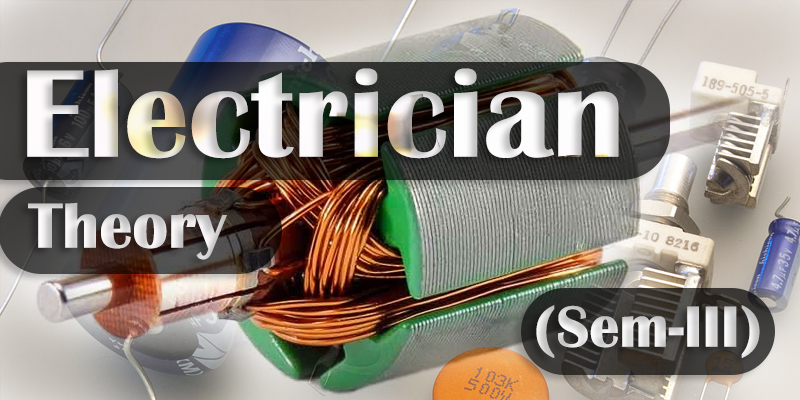
- General concept of rotating electrical machines. Principle of DC generator. Use of Armature, Field Coil, Polarity, Yoke, Cooling Fan, Commutator, slip ring and Brushes, Laminated core etc. E.M.F. equation Separately excited and self excited generators. Series, shunt and compound generators.
- Armature reaction, Commutation, inter poles and connection of inter poles. Parallel Operation of DC Generators. Load characteristics of DC generators. Application, losses & efficiency of DC Generators. Routine & maintenance.
- Principle and types of DC motor.
Assemble house wiring including earthing for a 1-phase energy meter, MCB, ceiling fan, tube light, three-pin socket, and a lamp operated from two different positions. Demonstrate the basic functional study of the components used in house wiring.
Determine the efficiency of a D.C. shunt motor and plot its performance characteristics.
Determination of Efficiency and Performance Characteristics of D.C. Shunt Motor
Trade: Electrician | Semester: II
Question: Determine the efficiency of a D.C. shunt motor and plot its performance characteristics.
Introduction
A D.C. shunt motor is widely used due to its constant speed characteristics. Determining its efficiency and performance characteristics is essential to evaluate its performance under different load conditions.