Skip to header Skip to main navigation Skip to main content Skip to footer

User account menu

  • Log in
Home
Electrician ITI
ITI Trade Electrician, Wireman

Main navigation

  • Home
  • Book
  • Question Paper
  • Trade Syllabus
  • वायरमैन
    • WIREMAN Assessment Criteria
    • WIREMAN Course Information
    • WIREMAN General Information
    • WIREMAN Job Role
    • WIREMAN Learning Outcomes
    • WIREMAN Training System
  • इलेक्ट्रीशियन
  • ITI Tools
    • Employability Skills (opens in new tab)
    • Engineering Drawing (opens in new tab)
    • Hunnarbaaz (opens in new tab)
    • Syllabus (opens in new tab)
    • Workshop Calculation and Science (opens in new tab)

Electrician

Breadcrumb

  • Home
  • Electrician
  • English
  • Hindi
  • Bengali
  • Malayalam
  • Gujarati
ITI Trade: Electrician
Electrician

ITI Trade: Electrician

Course Overview

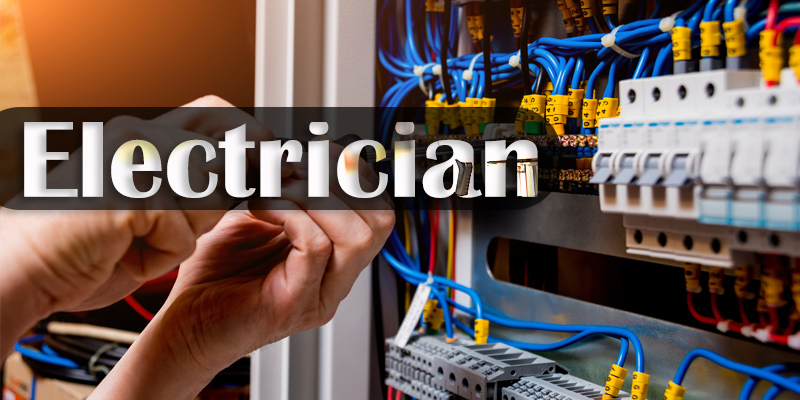
This two-year Electrician trade course is offered under the Craftsman Training Scheme (CTS) by the National Council for Vocational Training (NCVT). It trains students in electrical installation, maintenance, and repair, preparing them for roles such as electrician, wireman, or electrical technician.

The course includes:
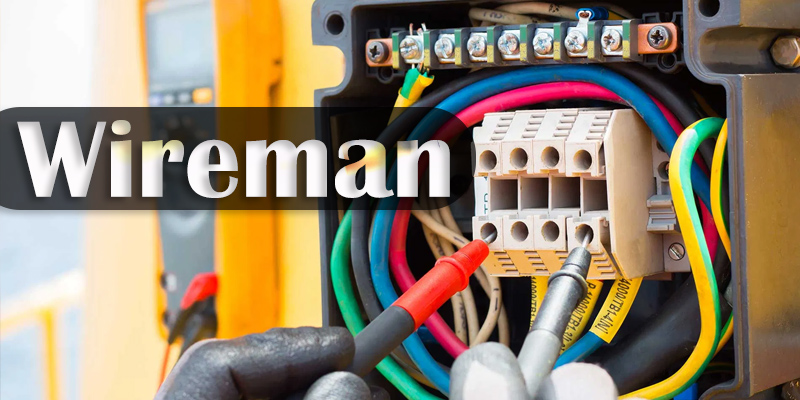
Trade Name: Wireman
Wireman

Course Overview

  • Trade Name: Wireman
  • Duration: 2 Years (4 Semesters)
  • NSQF Level: Level 5
  • Eligibility: 8th Grade Pass
ITI Electroplater Trade
Electroplater

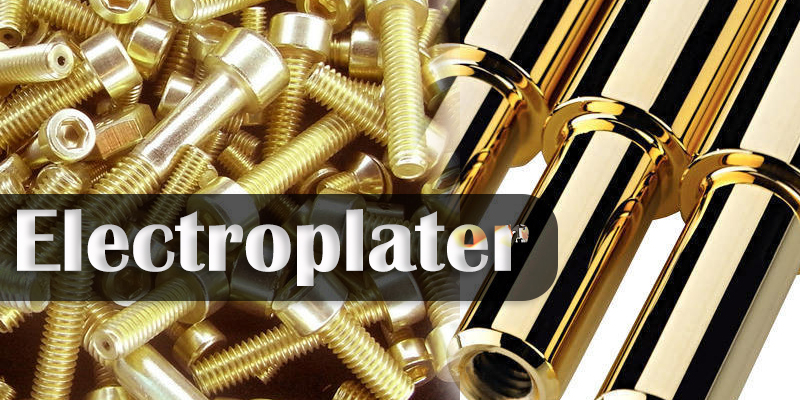
The ITI "Electroplater" trade is a two-year vocational training program under the Craftsman Training Scheme (CTS), governed by the National Council for Vocational Training (NCVT). This course equips trainees with skills in electroplating techniques, surface preparation, and the application of protective and decorative coatings on metal surfaces.

Electrician Power Distribution

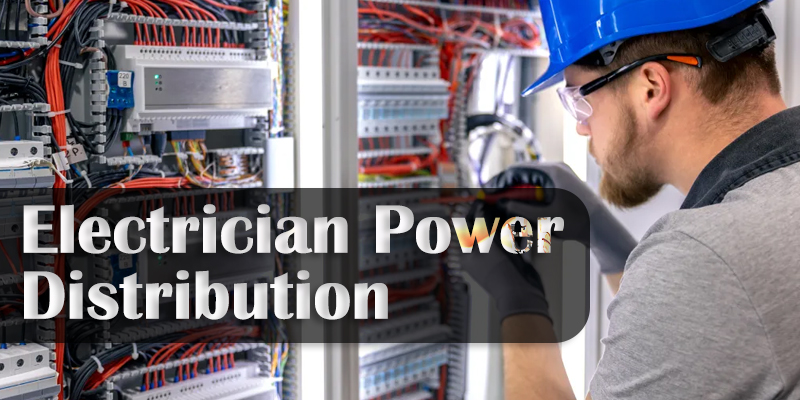
The Electrician (Power Distribution) ITI trade is a 2-year NSQF Level 4/5 course focused on installing, operating, maintaining, and repairing electrical power distribution systems. It covers transformers, overhead lines, underground cables, switchgear, and safety procedures, preparing technicians for roles in electricity boards, utilities, and industries. 

Key Details

Lift and Escalator Mechanic
  • Trade Name: Lift and Escalator Mechanic
  • Duration: 2 Years (4 Semesters)
  • NSQF Level: Level 5
  • Eligibility: 10th Grade Pass with Science and Mathematics
ITI Trade: Electrician

ITI Trade: Electrician

Course Overview

This two-year Electrician trade course is offered under the Craftsman Training Scheme (CTS) by the National Council for Vocational Training (NCVT). It trains students in electrical installation, maintenance, and repair, preparing them for roles such as electrician, wireman, or electrical technician.

The course includes:
  • Trade Theory
  • Trade Practical
  • Workshop Calculation & Science
  • Engineering Drawing
  • Employability Skills

1. Trade Theory

This section provides theoretical knowledge of electrical systems, equipment, and safety measures.

First Year

  • Introduction to Electrician Trade
    • Importance and scope of the trade
    • Role of electricians in different industries
  • Basic Electricity
    • Basics of current, voltage, resistance, and power
    • Ohm’s Law and its applications
    • Series and parallel circuits
  • Electrical Tools and Equipment
    • Hand tools: pliers, screwdrivers, testers – use and maintenance
    • Power tools: drill, grinder – operation and safety
  • Wiring Systems
    • Types: domestic, commercial, industrial wiring
    • Conductors, insulators, and cables – properties and selection
    • Wiring accessories: switches, sockets, junction boxes
  • Safety Measures
    • Electrical hazards, earthing, shock prevention
    • Personal protective equipment: gloves, helmet, shoes
    • First aid for electrical accidents
  • Electrical Components
    • Resistors, capacitors, inductors – functions and ratings
    • Fuse, circuit breaker, relay – working
  • Measuring Instruments
    • Use of multimeter, ammeter, voltmeter, ohmmeter
    • Measurement of electrical parameters

Second Year

  • Advanced Electrical Systems
    • Basics of AC and DC; single-phase and three-phase systems
    • Transformers – types, construction, uses
    • Motors – DC, induction, synchronous
  • Power Distribution
    • Domestic and industrial supply systems
    • Earthing systems – plate and pipe earthing
    • Load calculation and energy conservation
  • Electrical Machines
    • Generators – construction and operation
    • Motor starters and control circuits
  • Renewable Energy
    • Basics of solar and wind energy systems
    • Installation of solar panels and inverters
  • Maintenance & Troubleshooting
    • Preventive and corrective maintenance
    • Fault identification in wiring and machines
  • Rules and Standards
    • Indian electrical rules and safety codes
    • Energy efficiency standards

2. Trade Practical

This section focuses on skill development through practical work.

First Year

  • Basic Skills
    • Use and maintenance of tools
    • Wire cutting, insulation removal, joint making
    • Electrical measurement using tester and multimeter
  • Wiring Practice
    • Simple wiring: single switch, two-way switch, sockets
    • Conduit, casing-capping, concealed wiring
    • Connecting tube light, ceiling fan, bell
  • Safety Practice
    • Earthing installation (plate & pipe methods)
    • First aid demonstration for electric shock
  • Component Testing
    • Continuity test of resistors, capacitors, fuse
    • Simple circuits on breadboard

Second Year

  • Advanced Wiring
    • Three-phase wiring installation
    • Motor control circuits with starters (DOL, star-delta)
  • Machine Operation
    • Assembling and dismantling motors and transformers
    • Operation and testing of generators and inverters
  • Renewable Energy Practice
    • Installation of solar panel and battery
    • Output measurement of solar system
  • Maintenance & Repair
    • Repair of fan, iron, heater
    • Fault detection and correction
  • Project Work
    • Design and install complete house wiring
    • Industrial control circuit with safety features

3. Workshop Calculation & Science

  • Calculations
    • Power, energy, load (kW, kWh)
    • Resistance, capacitance, inductance
  • Science
    • Magnetism and electromagnetic induction
    • Properties of conductors and insulators

4. Engineering Drawing

  • Basics
    • Electrical symbols and circuit diagrams
    • Single-line and wiring diagrams
  • Advanced
    • Layout for domestic and industrial installations
    • Motor and transformer winding diagrams

5. Employability Skills

  • Communication Skills
    • Interaction with supervisors, customers, coworkers
  • Workplace Skills
    • Time management, teamwork, problem-solving

Course Details

  • Duration: 2 years (4 semesters, 6 months each)
  • Eligibility: 10th pass (with Science & Mathematics)
  • Objective: To train individuals in electrical installation, maintenance, and repair for careers in construction, manufacturing, power sector, or self-employment

Note: This course is based on NCVT Electrician trade structure. Minor changes may occur depending on state or ITI. For the latest version, refer to DGT or your local ITI

Description of files, hammers, chisels hacksaw frames, blades, their specification and grades

By Anand | 6:24 PM IST, Thu April 10, 2025

🧰 Description of Files, Hammers, Chisels, Hacksaw Frames & Blades

Electricians often need to do mechanical work like cutting, shaping, or assembling parts. For that, they use basic fitting tools like files, hammers, chisels, and hacksaws.

Let’s understand their types, specifications, and grades.

  • Read more about Description of files, hammers, chisels hacksaw frames, blades, their specification and grades

Allied trades: Introduction to fitting tools, safety precautions

By Anand | 6:22 PM IST, Thu April 10, 2025

🔧 Allied Trades: Introduction to Fitting Tools & Safety Precautions

Electricians often work with tools from other trades like fitting, carpentry, or plumbing. These are called Allied Trades. Understanding basic fitting tools and safety is important for accurate and safe work.

  • Read more about Allied trades: Introduction to fitting tools, safety precautions

Introduction to National Electrical Code-2011

By Anand | 6:21 PM IST, Thu April 10, 2025

📘 Introduction to National Electrical Code (NEC) – 2011

The National Electrical Code (NEC) – 2011 is a rulebook that tells us how to do safe and proper electrical installations in India.

It is a very important document for all electricians, engineers, and technicians.

  • Read more about Introduction to National Electrical Code-2011

Trade tools specifications

By Anand | 6:20 PM IST, Thu April 10, 2025

🧰 Trade Tools Specifications – ITI Electrician

Every electrician needs proper tools to do the job safely and accurately. These tools must follow certain specifications to ensure they are durable, safe, and efficient.

  • Read more about Trade tools specifications

Concept of Standards and advantages of BIS/ISI

By Anand | 6:14 PM IST, Thu April 10, 2025

📏 Concept of Standards and Advantages of BIS/ISI

In the electrical field, using standard materials and equipment is very important to ensure safety, quality, and compatibility. That’s why we follow Standards like BIS and ISI in India.

  • Read more about Concept of Standards and advantages of BIS/ISI

Response to emergencies e.g. system failure and fire

By Anand | 8:11 PM IST, Wed April 09, 2025

🚨 Response to Emergencies

(e.g. System Failure and Fire)

Emergencies like system failure or electrical fire can happen suddenly in any electrical environment. As an electrician, knowing how to respond quickly and safely can prevent damage and save lives.

  • Read more about Response to emergencies e.g. system failure and fire

Response to emergencies e.g. power failure

By Anand | 8:10 PM IST, Wed April 09, 2025

🚨 Response to Emergencies (e.g. Power Failure)

In any workplace or electrical installation, emergencies like power failure, electric shock, fire, or short circuits can happen anytime. Electricians must be prepared to respond quickly and safely to minimize damage and protect lives.

  • Read more about Response to emergencies e.g. power failure

Personal safety and factory safety

By Anand | 8:08 PM IST, Wed April 09, 2025

🛡️ Personal Safety and Factory Safety

Working with electricity in a factory or workshop can be risky, so it’s very important to follow personal safety and factory safety rules.

  • Read more about Personal safety and factory safety

Hazard identification and prevention

By Anand | 8:05 PM IST, Wed April 09, 2025

⚠️ Hazard Identification and Prevention

Electricians work in environments where many hazards (dangers) can be present. Hazard Identification and Prevention helps reduce the risk of accidents, injuries, and damage.


🧠 What is a Hazard?

A hazard is anything that can cause:

  • Read more about Hazard identification and prevention

Types and working of fire extinguishers.

By Anand | 7:59 PM IST, Wed April 09, 2025

🧯 Types and Working of Fire Extinguishers

Fire can happen anytime, especially in electrical work. So it’s important for electricians to know how to use fire extinguishers and understand their types and uses.

  • Read more about Types and working of fire extinguishers.
Pagination
  • Previous page ‹‹
  • Page 15
  • Next page ››
Subscribe to Electrician

Book

  • Advantages of AC poly-phase system
  • Magnetic terms
  • First aid safety practice
  • Estimation of load, cable size, bill of material and cost.
  • PVC conduit and Casing-capping wiring system
  • I.E. rules on electrical wiring
  • Chemical effect of electric current and Laws of electrolysis
  • Comparison and Advantages of DC and AC systems
  • Laws of Resistance and various types of resistors
  • Ohm’s Law
  • Underground Cable
  • Joints in electrical conductors
  • Fundamentals of electricity, definitions, units & effects of electric current
  • Marking tools
  • Allied trades: Introduction to fitting tools, safety precautions
  • Concept of Standards and advantages of BIS/ISI
  • Scope of the electrician trade

Question Paper

Electrician
Electrician (Practical) – Semester II 18/A/C/S-2/4/E
Sem - 4 4/July/ 2018
Electrician (Practical) – Semester II 17IA/C/S-2/4/E
Sem - 2 2/July/ 2018
ITI Electrician First Semester Model Paper
Trade Theory Semester 2 JULY 2018
Trade Theory Semester 1 January 2018
Practical Examination – Semester I Session: 2017–2018
Electrician (Practical) – Semester IV 4 jan 18
Sem - 4 4/ July/2017
sem - 1 1/July/2018
Electrician (Practical) – Semester IV 4 jan 2018
Practical Examination – Semester I 1 july 2018
Electrician (Practical) – Semester II 3 july 2018
Electrician (Practical) – Semester III 3 july 2017
Electrician (Practical) – Semester III 3 jan 2018
Electrician (Practical) – Semester II 2 july 2018
Electrician (Practical) – Semester II 2 july 2017
Sem - 1 1/July/2017
ઇલેક્ટ્રિશિયન
ITI Electrician First Semester Model Paper
इलेक्ट्रीशियन
ITI इलेक्ट्रीशियन ट्रेड First Semester Model Paper
Electrician 2nd Semester Question Paper in Hindi
ITI इलेक्ट्रीशियन 4th सेमेस्टर में पूछे गए प्रश्न

Common Subject

  • Engineering Drawing
  • Employability Skills
  • Workshop Calculation Science

Directory

  • Industrial Training Institutes
  • Engineering College
  • Medical College

Knowledge Bank

  • ITI Syllabus
  • Tools

Student Friend

  • ITI Admission
  • ITI Jobs
  • ITI Hunnarbaaz
  • Get ITI Website

Trade

Electrician
Wireman
Electroplater
Electrician Power Distribution
Lift and Escalator Mechanic

Electrician + Wireman + Electroplater + Electrician Power Distribution + Lift and Escalator Mechanic | ITI Fitter | ITI COPA | ITI Welder | ITI Mechanic | ITI Electronics | Agriculture + Horticulture + Floriculture | ITI Draughtsman Civil & Mech | ITI Refrigeration & Air Conditioning | ITI Turner | ITI Plumber | ITI Machinist | ITI Cosmetology | ITI Sewing | ITI Surveyor

Copyright © 2026 ITI Directory - All rights reserved

Developed and Designed by ITI Directory