
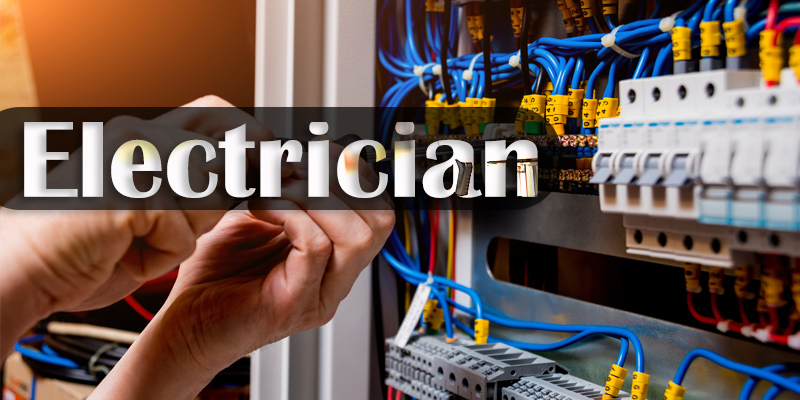



ELECTRICIAN Training System
The Electrician Craft Instructor Training Scheme (CITS) is designed to develop skilled instructors capable of providing high-quality vocational training in the electrical trade. The training system is implemented by the Directorate General of Training (DGT), Ministry of Skill Development and Entrepreneurship, Government of India. The program follows a structured training framework that integrates technical knowledge, practical skills, and instructional methodology. :contentReference[oaicite:1]{index=1}
The Electrician CITS training system is competency-based and aims to prepare instructors who can effectively teach electrical trades such as Electrician and Wireman in Industrial Training Institutes (ITIs) and other vocational training institutions. The program focuses on developing professional competence, teaching ability, and technical expertise required to train the future workforce of the electrical and power sectors.
Delivery of Training
The Electrician CITS training program is conducted in National Skill Training Institutes (NSTIs) and in Institutes for Training of Trainers (IToT) affiliated with the Directorate General of Training. These institutes are equipped with modern training facilities including electrical laboratories, workshops, classrooms, and training equipment necessary for skill development.
Admission to the course is conducted according to the guidelines issued by the Directorate General of Training from time to time. Detailed information regarding the admission process is available through the official online portal of the National Instructional Media Institute (NIMI).
Duration of Training
The Electrician CITS course has a total duration of one year. During this period, trainees undergo intensive training that combines practical workshop activities with theoretical instruction and teaching methodology.
The training program is designed to provide comprehensive knowledge of electrical systems, equipment, and installation practices while also developing the instructional skills required to train students effectively.
Course Components
The Electrician CITS training system consists of several major course elements that together form the complete training program. These elements include trade technology, training methodology, and engineering technology or soft skills.
Trade Technology
Trade technology is the core component of the training program and focuses on developing advanced technical knowledge and practical skills related to electrical engineering. This component includes both practical and theoretical training.
The trade practical component provides hands-on experience in electrical installations, wiring systems, maintenance of electrical machines, and testing of electrical equipment. Trainees learn to operate tools and instruments used in electrical workshops.
The trade theory component provides conceptual knowledge about electrical principles, machines, circuits, and power systems. Understanding these concepts helps instructors explain technical topics clearly to trainees.
Training Methodology
Training methodology is another important part of the Electrician CITS training system. This component focuses on developing teaching skills and instructional techniques required for effective training delivery.
Trainees learn how to design lesson plans, organize training sessions, demonstrate practical activities, and evaluate student performance. The course also teaches how to use various teaching aids and training materials to enhance learning outcomes.
The training methodology section includes both practical and theoretical instruction to help trainees understand different educational approaches used in vocational training.
Engineering Technology and Soft Skills
In addition to trade technology and training methodology, the course also includes engineering technology and soft skills training. These subjects help trainees develop analytical thinking, communication skills, and professional behavior required for teaching roles.
Engineering technology subjects include engineering drawing, workshop calculation, and applied science concepts relevant to electrical work. Soft skills training focuses on communication, teamwork, and classroom management skills.
Distribution of Training Hours
The training hours in the Electrician CITS program are distributed across different course components to ensure balanced development of technical and instructional competencies.
- Trade Practical (Professional Skill): 480 hours
- Trade Theory (Professional Knowledge): 270 hours
- Training Methodology Practical: 270 hours
- Training Methodology Theory: 180 hours
The total institutional training duration is approximately 1200 hours. This structured distribution ensures that trainees receive adequate practical training along with theoretical knowledge and teaching skills.
On-the-Job Training (OJT)
The Electrician CITS training system also includes 150 hours of mandatory On-the-Job Training (OJT). This training is conducted in nearby industries where trainees gain exposure to real industrial environments.
During OJT, trainees observe and participate in electrical installation, maintenance, and troubleshooting activities carried out in industries. If industrial training opportunities are not available, institutes conduct group projects to simulate industrial work conditions.
On-the-Job Training helps trainees understand industry practices and apply their knowledge in real-world situations.
Optional Courses
Trainees enrolled in the Electrician CITS course also have the option to undertake additional optional courses with a duration of 240 hours. These optional courses allow trainees to develop specialized knowledge and improve their technical expertise in specific areas related to electrical engineering.
Assessment and Certification
The training system includes both continuous internal assessment and final external evaluation. During the training period, trainees are evaluated through formative assessments that measure their instructional skills, technical knowledge, and professional behavior.
At the end of the course, trainees appear for the All India Trade Test (AITT) conducted by the Directorate General of Training. Successful candidates are awarded the National Craft Instructor Certificate (NCIC), which certifies their qualification as craft instructors in the electrical trade. :contentReference[oaicite:2]{index=2}
Career Progression
After completing the Electrician CITS training program, candidates can work as instructors in vocational training institutes, technical institutions, and skill development centers. They may also work as supervisors or technical trainers in electrical industries.
With experience and further professional development, instructors can progress to higher roles in training management, curriculum development, and skill development programs.
Conclusion
The training system of the Electrician CITS course is carefully designed to develop competent instructors who possess both technical expertise and teaching skills. Through a combination of classroom instruction, workshop training, and industry exposure, the program prepares trainees to deliver high-quality vocational training.
By producing skilled instructors for the electrical trade, the training system contributes significantly to strengthening the vocational training ecosystem and supporting the development of a skilled workforce in the power and electrical sectors.