
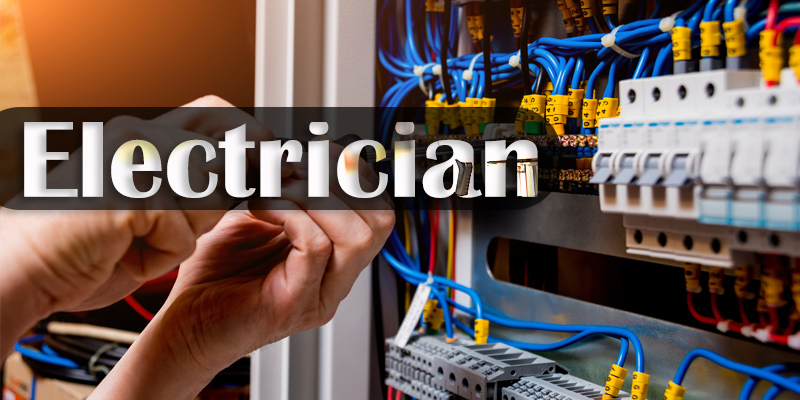
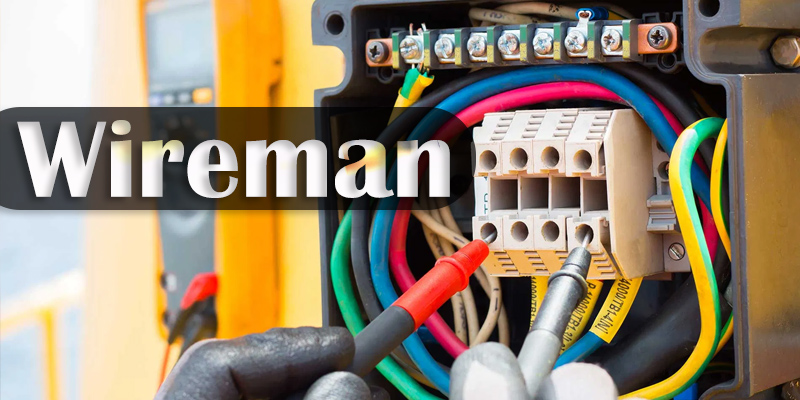


ELECTRICIAN Infrastructure
The Electrician – Craft Instructor Training Scheme (CITS) requires well- developed infrastructure to ensure effective delivery of technical training and instructional methodology. Proper infrastructure is essential for conducting practical workshops, demonstrations, and classroom training. The Directorate General of Training (DGT) has established specific infrastructure requirements for institutions offering the Electrician CITS course to ensure uniform standards of training across all vocational training institutes in India. :contentReference[oaicite:1]{index=1}
The infrastructure for the Electrician CITS trade includes workshop space, classrooms, laboratories, training equipment, tools, and qualified instructors. These facilities help trainees develop both technical skills and instructional competencies required for teaching electrical trades in Industrial Training Institutes and other vocational training centers.
Workshop Space Requirements
Adequate workshop space is essential for conducting electrical practical training. The Electrician CITS program requires approximately 140 square meters of workshop space. This area is used for installing electrical machines, training benches, wiring boards, and electrical testing equipment.
The workshop should be well organized to allow trainees to perform practical exercises safely and efficiently. It must provide sufficient space for installing training equipment such as motors, transformers, wiring panels, and control circuits.
Proper lighting and ventilation are also necessary to create a safe and comfortable learning environment in the workshop.
Power Supply Requirements
Electrical training workshops require a reliable power supply for operating machines, instruments, and testing equipment. The Electrician CITS training facility requires a power supply capacity of approximately 5.2 kW.
The power supply system should include appropriate safety devices such as circuit breakers, earthing systems, and protective relays to ensure safe operation of electrical equipment during training.
Classroom Facilities
In addition to workshop facilities, institutions must provide classrooms for theoretical instruction and training methodology sessions. Classrooms should be equipped with teaching aids such as whiteboards, projectors, and audio-visual equipment to support interactive learning.
Seating arrangements should allow trainees to participate actively in lectures and discussions. Adequate lighting and ventilation are also important to maintain a comfortable learning environment.
Laboratory and Demonstration Facilities
Electrical laboratories and demonstration areas are required for teaching concepts related to electrical machines, circuits, and instruments. These laboratories allow trainees to perform experiments and understand the working principles of electrical systems.
Demonstration setups should include models of electrical circuits, transformers, motors, and control systems. These setups help instructors explain technical concepts clearly and provide visual learning experiences for trainees.
Tools and Equipment
The Electrician CITS training program requires a wide range of tools and equipment to conduct practical training effectively. These tools include hand tools, electrical testing instruments, wiring accessories, and machine tools used in electrical installations.
Common tools used in the training workshop include:
- Screwdrivers, pliers, cutters, and spanners.
- Measuring instruments such as multimeters, ammeters, and voltmeters.
- Electrical testing instruments such as meggers and earth testers.
- Wiring boards and control panels.
- Electrical motors, transformers, and generators.
- Electronic components and circuit boards.
These tools allow trainees to perform various practical exercises such as wiring installation, circuit testing, machine maintenance, and fault diagnosis.
Training Equipment
Specialized training equipment is required to simulate real industrial conditions during electrical training. This equipment includes motor control panels, transformer test benches, electrical measuring instruments, and electronic circuit kits.
Training equipment helps trainees gain hands-on experience with modern electrical systems and technologies used in industries.
Institutes must ensure that all equipment is properly maintained and in working condition so that trainees can perform practical exercises without interruption.
Library and Learning Resources
Institutions offering the Electrician CITS course should provide a library with technical books, training manuals, and reference materials related to electrical engineering and vocational training.
Learning resources such as instructional videos, digital training modules, and simulation software can also enhance the learning experience of trainees.
Safety Facilities
Safety is a critical aspect of electrical training. The training institute must provide appropriate safety equipment and protective devices in the workshop and laboratories.
Essential safety facilities include:
- Fire extinguishers suitable for electrical fires.
- First aid kits and emergency medical supplies.
- Personal protective equipment (PPE) such as gloves and safety shoes.
- Proper earthing and insulation for electrical installations.
Institutes must also ensure that trainees follow safety procedures while working with electrical equipment.
Instructor and Staff Requirements
Qualified instructors and support staff are an important part of the training infrastructure. Instructors must possess the necessary technical qualifications and teaching skills to deliver effective training in electrical trades.
Instructors should have relevant industry experience and hold the National Craft Instructor Certificate (NCIC) issued by the Directorate General of Training.
Support staff such as workshop assistants and laboratory technicians help maintain equipment and assist trainees during practical sessions.
Maintenance of Infrastructure
Proper maintenance of infrastructure is essential for ensuring the smooth functioning of training activities. Training institutes must regularly inspect and maintain workshop equipment, electrical systems, and safety devices.
Regular maintenance helps prevent equipment failure and ensures that trainees receive uninterrupted practical training.
Importance of Infrastructure in Vocational Training
Adequate infrastructure plays a vital role in the success of vocational training programs. Well-equipped workshops and laboratories allow trainees to gain practical experience and develop confidence in their technical abilities.
Modern infrastructure also helps instructors demonstrate advanced electrical technologies and improve the overall quality of training.
Conclusion
The infrastructure requirements for the Electrician CITS course are designed to provide a comprehensive learning environment that supports both technical training and instructional development. Proper workshop facilities, equipment, classrooms, and safety measures ensure that trainees receive high-quality vocational education.
By maintaining well-equipped training facilities and qualified instructors, institutions can effectively prepare trainees to become competent electrical instructors and contribute to the development of skilled manpower in the electrical and power sectors.