
Skip to header Skip to main navigation Skip to main content Skip to footer

User account menu

  • Log in
Home
Electrician ITI
ITI Trade Electrician, Wireman

Main navigation

  • Home
  • Book
  • Question Paper
  • Trade Syllabus
  • वायरमैन
    • WIREMAN Assessment Criteria
    • WIREMAN Course Information
    • WIREMAN General Information
    • WIREMAN Job Role
    • WIREMAN Learning Outcomes
    • WIREMAN Training System
  • इलेक्ट्रीशियन
  • ITI Tools
    • Employability Skills (opens in new tab)
    • Engineering Drawing (opens in new tab)
    • Hunnarbaaz (opens in new tab)
    • Syllabus (opens in new tab)
    • Workshop Calculation and Science (opens in new tab)

Types of Accidents in Industry and Their Prevention

Breadcrumb

  • Home
  • Types of Accidents in Industry and Their Prevention
  • English
  • Hindi
  • Bengali
  • Malayalam
  • Gujarati
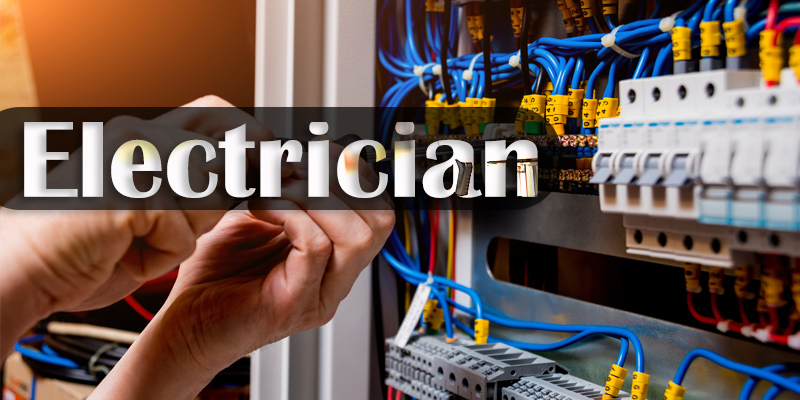
ITI Trade: Electrician
इलेक्ट्रीशियन

इलेक्ट्रीशियन ट्रेड का यह दो वर्षीय पाठ्यक्रम क्राफ्ट्समैन ट्रेनिंग स्कीम (CTS) के अंतर्गत, राष्ट्रीय व्यावसायिक प्रशिक्षण परिषद (NCVT) द्वारा प्रदान किया जाता है। यह छात्रों को विद्युत स्थापना, रखरखाव और मरम्मत का प्रशिक्षण देता है, जिससे वे इलेक्ट्रीशियन, वायरमैन या इलेक्ट्रिकल तकनीशियन जैसी भूमिकाओं के लिए तैयार हो सकें। पाठ्यक्रम में ट्रेड थ्योरी, ट्रेड प्रैक्टिकल, वर्कशॉप कैलकुलेशन एवं साइंस, इंजीनियरिंग ड्राइंग और एम्प्लॉयबिलिटी स्किल्स शामिल हैं। नीचे इसका विस्तृत विवरण दिया गया है:

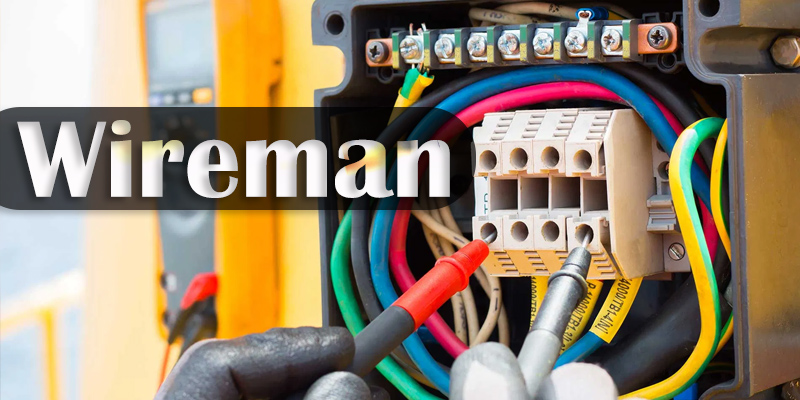
Trade Name: Wireman
वायरमैन
  • ट्रेड नाम: वायरमैन
  • अवधि: 2 वर्ष (4 सेमेस्टर)
  • एनएसक्यूएफ स्तर: स्तर 5
  • योग्यता: 8वीं पास
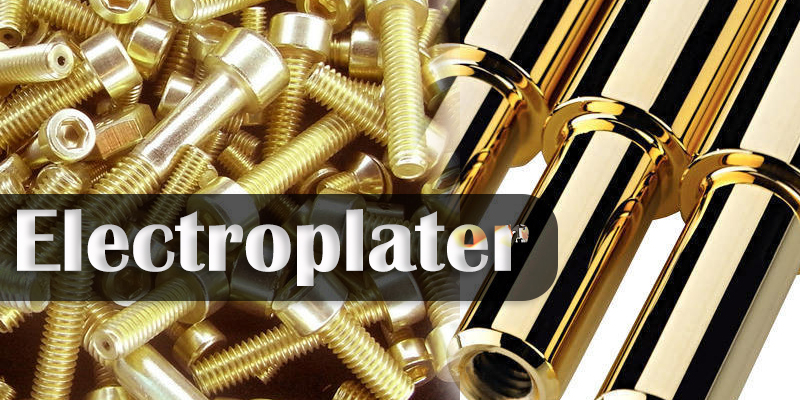
ITI Electroplater Trade
इलेक्ट्रोप्लेटर

आईटीआई "इलेक्ट्रोप्लेटर" ट्रेड एक दो वर्षीय व्यावसायिक प्रशिक्षण कार्यक्रम है, जो नेशनल काउंसिल फॉर वोकेशनल ट्रेनिंग (एनसीवीटी) द्वारा क्राफ्ट्समैन ट्रेनिंग स्कीम (सीटीएस) के तहत संचालित होता है। यह कोर्स प्रशिक्षुओं को इलेक्ट्रोप्लेटिंग तकनीकों, सतह तैयारी, और धातु सतहों पर सुरक्षात्मक व सजावटी कोटिंग्स लगाने में कौशल प्रदान करता है। पाठ्यक्रम में सैद्धांतिक ज्ञान, प्रायोगिक इलेक्ट्रोप्लेटिंग कौशल, और रोजगार योग्यता प्रशिक्षण शामिल है, जो छात्रों को ऑटोमोटिव, एयरोस्पेस, आभूषण, और विनिर्माण उद्योगों में इलेक्ट्रोप्लेटर, सतह उपचार

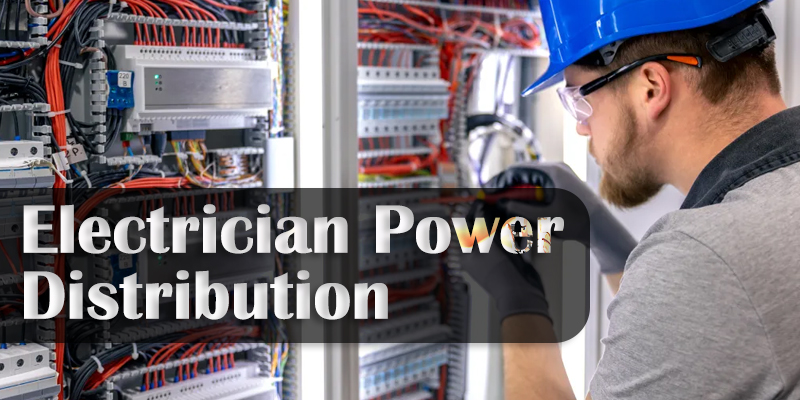
Electrician Power Distribution
इलेक्ट्रिशियन (पावर डिस्ट्रीब्यूशन)

इलेक्ट्रिशियन (पावर डिस्ट्रीब्यूशन) आईटीआई ट्रेड एक 2 वर्षीय NSQF लेवल 4/5 का कोर्स है, जो विद्युत वितरण प्रणालियों की स्थापना, संचालन, रखरखाव और मरम्मत पर केंद्रित है। इसमें ट्रांसफॉर्मर, ओवरहेड लाइन, अंडरग्राउंड केबल, स्विचगियर और सुरक्षा प्रक्रियाएं शामिल हैं, जो छात्रों को बिजली बोर्ड, यूटिलिटी और उद्योगों में कार्य के लिए तैयार करता है।

मुख्य विवरण

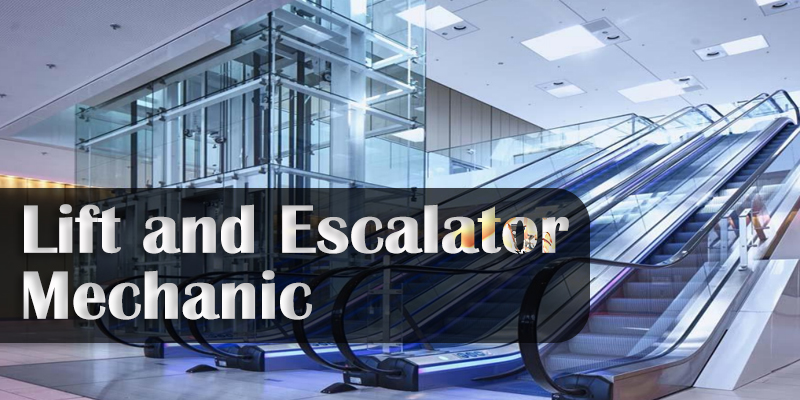
Lift and Escalator Mechanic
लिफ्ट और एस्केलेटर मैकेनिक
  • ट्रेड नाम: लिफ्ट और एस्केलेटर मैकेनिक
  • अवधि: 2 वर्ष (4 सेमेस्टर)
  • एनएसक्यूएफ स्तर: स्तर 5
  • योग्यता: 10वीं पास (विज्ञान और गणित के साथ)
By Anand | 8:25 PM IST, Mon March 23, 2026

Types of Accidents in Industry and Their Prevention

Industrial workplaces such as factories, construction sites, and workshops involve various types of machines, tools, chemicals, and electrical equipment. While these resources help in production and manufacturing, they also create certain risks for workers. If proper safety precautions are not followed, accidents can occur that may cause injuries, damage to property, and even loss of life.

Industrial accidents are unexpected events that occur during work and result in harm to workers or damage to equipment and materials. Understanding the types of accidents and their causes helps organizations take preventive measures and maintain a safe working environment.

Meaning of Industrial Accident

An industrial accident is an unexpected incident that occurs in the workplace during the course of work and causes injury to workers or damage to machinery and property. These accidents usually occur due to unsafe conditions, negligence, lack of training, or improper use of equipment.

Industrial accidents not only affect workers but also lead to financial losses for organizations due to downtime, medical expenses, and repair costs.

Common Types of Industrial Accidents

Different types of accidents may occur in industries depending on the nature of the work and the equipment used. Some of the most common types of industrial accidents are described below.

1. Mechanical Accidents

Mechanical accidents occur when workers come into contact with moving machines or machine parts. These accidents may happen when machines are operated without proper guards or when workers use them without proper training.

Examples include injuries caused by rotating parts, cutting machines, press machines, and drilling machines.

2. Electrical Accidents

Electrical accidents occur when workers are exposed to electric current. These accidents may happen due to faulty wiring, damaged cables, or improper handling of electrical equipment.

Electric shock can cause severe injuries and even death. Therefore, electrical safety measures must always be followed in workplaces.

3. Fire Accidents

Fire accidents occur when flammable materials catch fire due to sparks, heat, or electrical faults. Industries that store fuels, chemicals, or combustible materials are particularly at risk of fire hazards.

Proper fire safety equipment such as fire extinguishers and fire alarms should be installed in workplaces to control such emergencies.

4. Chemical Accidents

Chemical accidents occur when workers are exposed to hazardous chemicals or toxic substances. These accidents may happen due to chemical spills, gas leaks, or improper storage of chemicals.

Workers should use protective equipment such as gloves, masks, and goggles while handling chemicals.

5. Slip and Fall Accidents

Slip and fall accidents are common in workplaces where floors are wet, oily, or cluttered with materials. These accidents may cause injuries such as fractures, sprains, or head injuries.

Maintaining a clean and organized workplace helps prevent such accidents.

6. Falling Object Accidents

In construction sites and industrial areas, heavy tools or materials may fall from heights and injure workers below. Workers should wear safety helmets to protect themselves from such hazards.

Causes of Industrial Accidents

Industrial accidents usually occur due to several factors related to human behavior, workplace conditions, and equipment.

  • Lack of proper safety training
  • Negligence or carelessness
  • Faulty machines or equipment
  • Poor workplace housekeeping
  • Ignoring safety procedures
  • Lack of protective equipment

Identifying these causes helps organizations implement effective safety programs.

Prevention of Industrial Accidents

Preventing accidents is a major responsibility of both employers and employees. Following safety rules and using proper equipment can significantly reduce the risk of workplace injuries.

Some important preventive measures include:

  • Providing safety training to workers
  • Using personal protective equipment (PPE)
  • Maintaining machines regularly
  • Keeping the workplace clean and organized
  • Installing safety guards on machines
  • Following proper operating procedures

These measures help create a safer working environment for everyone.

Role of Safety Training

Safety training plays an important role in accident prevention. Workers should be educated about hazards present in the workplace and trained in the proper use of machines and equipment.

Training programs also teach workers how to respond during emergency situations such as fires, chemical spills, or electrical accidents.

Importance of Personal Protective Equipment

Personal Protective Equipment (PPE) is used to protect workers from hazards in the workplace. PPE acts as a barrier between the worker and potential dangers.

Examples of PPE include:

  • Safety helmets
  • Safety gloves
  • Protective goggles
  • Safety shoes
  • Ear protection

Using PPE significantly reduces the risk of injury in industrial environments.

Conclusion

Industrial accidents can cause serious injuries and financial losses if proper precautions are not taken. Understanding the types and causes of accidents helps workers and organizations implement effective safety measures.

By following safety rules, maintaining equipment, providing proper training, and using protective equipment, workplaces can reduce accidents and ensure the safety of workers.

A strong safety culture in industries not only protects workers but also improves productivity and overall efficiency.

Wireman
  • Log in or register to post comments

All Language Post

Types of Accidents in Industry and Their Prevention

Book

  • Advantages of AC poly-phase system
  • Magnetic terms
  • First aid safety practice
  • Estimation of load, cable size, bill of material and cost.
  • PVC conduit and Casing-capping wiring system
  • I.E. rules on electrical wiring
  • Chemical effect of electric current and Laws of electrolysis
  • Comparison and Advantages of DC and AC systems
  • Laws of Resistance and various types of resistors
  • Ohm’s Law
  • Underground Cable
  • Joints in electrical conductors
  • Fundamentals of electricity, definitions, units & effects of electric current
  • Marking tools
  • Allied trades: Introduction to fitting tools, safety precautions
  • Concept of Standards and advantages of BIS/ISI
  • Scope of the electrician trade

Question Paper

Electrician
Electrician (Practical) – Semester II 18/A/C/S-2/4/E
Sem - 4 4/July/ 2018
Electrician (Practical) – Semester II 17IA/C/S-2/4/E
Sem - 2 2/July/ 2018
ITI Electrician First Semester Model Paper
Trade Theory Semester 2 JULY 2018
Trade Theory Semester 1 January 2018
Practical Examination – Semester I Session: 2017–2018
Electrician (Practical) – Semester IV 4 jan 18
Sem - 4 4/ July/2017
sem - 1 1/July/2018
Electrician (Practical) – Semester IV 4 jan 2018
Practical Examination – Semester I 1 july 2018
Electrician (Practical) – Semester II 3 july 2018
Electrician (Practical) – Semester III 3 july 2017
Electrician (Practical) – Semester III 3 jan 2018
Electrician (Practical) – Semester II 2 july 2018
Electrician (Practical) – Semester II 2 july 2017
Sem - 1 1/July/2017
ઇલેક્ટ્રિશિયન
ITI Electrician First Semester Model Paper
इलेक्ट्रीशियन
ITI इलेक्ट्रीशियन ट्रेड First Semester Model Paper
Electrician 2nd Semester Question Paper in Hindi
ITI इलेक्ट्रीशियन 4th सेमेस्टर में पूछे गए प्रश्न

Common Subject

  • Engineering Drawing
  • Employability Skills
  • Workshop Calculation Science

Directory

  • Industrial Training Institutes
  • Engineering College
  • Medical College

Knowledge Bank

  • ITI Syllabus
  • Tools

Student Friend

  • ITI Admission
  • ITI Jobs
  • ITI Hunnarbaaz
  • Get ITI Website

Trade

इलेक्ट्रीशियन
वायरमैन
इलेक्ट्रोप्लेटर
इलेक्ट्रिशियन (पावर डिस्ट्रीब्यूशन)
लिफ्ट और एस्केलेटर मैकेनिक

Electrician + Wireman + Electroplater + Electrician Power Distribution + Lift and Escalator Mechanic | ITI Fitter | ITI COPA | ITI Welder | ITI Mechanic | ITI Electronics | Agriculture + Horticulture + Floriculture | ITI Draughtsman Civil & Mech | ITI Refrigeration & Air Conditioning | ITI Turner | ITI Plumber | ITI Machinist | ITI Cosmetology | ITI Sewing | ITI Surveyor

Copyright © 2026 ITI Directory - All rights reserved

Developed and Designed by ITI Directory