


Benefits of Doing ITI in Electrician Trade
The electrician trade is one of the most popular and important vocational courses offered by Industrial Training Institutes (ITI) in India. Electricity is an essential part of modern life, and almost every home, office, factory, and industry depends on electrical systems for daily operations. Because of this, trained electricians are always in demand across many sectors of the economy.
The ITI Electrician course is designed to provide students with the technical knowledge and practical skills required to work safely and efficiently with electrical systems. The course generally lasts for two years and includes both theoretical learning and hands-on training. During the training period, students learn about electrical wiring, electrical machines, circuits, safety procedures, maintenance techniques, and troubleshooting methods.
Completing ITI in Electrician trade offers many benefits for students who want to build a stable and rewarding career in the technical field. The course opens the door to employment opportunities, self-employment possibilities, government jobs, and international career prospects. In this article, we will discuss the major benefits of doing ITI in Electrician trade.
High Demand for Skilled Electricians
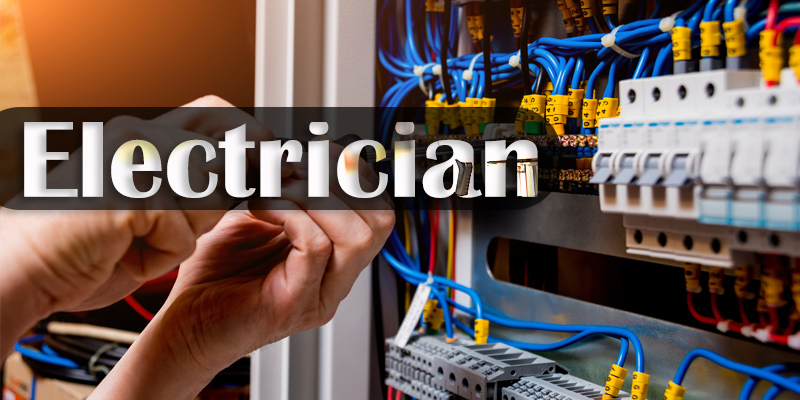
One of the biggest advantages of completing ITI in Electrician trade is the high demand for skilled electricians. Electricity is required in every building and industry, which means trained electricians are needed everywhere. From installing electrical wiring in homes to maintaining electrical equipment in factories, electricians perform essential tasks that support daily life and economic development.
With the rapid growth of urban infrastructure, construction projects, manufacturing industries, and renewable energy systems, the demand for electricians continues to increase. This constant demand ensures that skilled electricians have good job opportunities in different sectors.
Practical Skill-Based Training
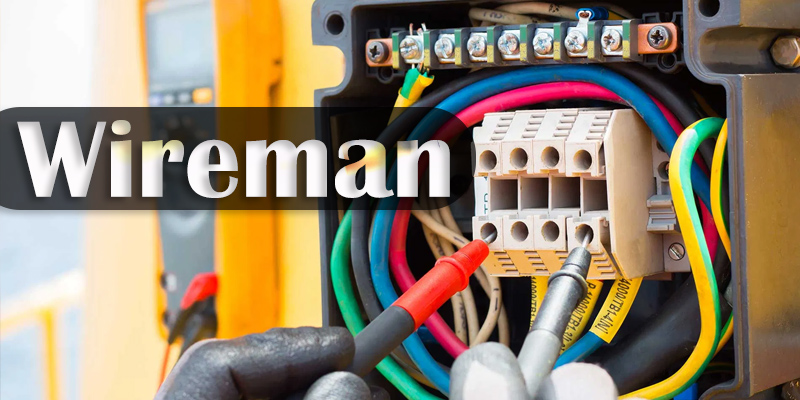
The ITI Electrician course focuses heavily on practical training. Students are trained in workshops where they learn how to handle electrical tools, install wiring systems, repair electrical equipment, and test electrical circuits. This hands-on approach helps students gain real-world experience and prepares them for professional work environments.
Practical training also helps students develop problem-solving skills. Electricians often face complex electrical issues, and practical experience helps them identify problems quickly and find effective solutions.
Opportunities for Government Jobs
After completing ITI in Electrician trade, students can apply for many government jobs. Various government departments and public sector organizations require electricians to maintain electrical systems in offices, railway stations, hospitals, schools, and other public infrastructure.
Government organizations such as railways, public works departments, power distribution companies, and defense services regularly recruit ITI electricians. These jobs offer stable income, job security, and benefits such as pensions, allowances, and medical facilities.
Self-Employment Opportunities
Another major benefit of doing ITI in Electrician trade is the opportunity for self-employment. Many electricians start their own electrical service businesses after gaining some practical experience. They provide services such as wiring installation, electrical repairs, maintenance of electrical appliances, and installation of lighting systems.
Self-employment allows electricians to work independently and manage their own schedule. With a good reputation and quality service, an electrician can build a strong client base and earn a stable income.
Career Opportunities in Private Sector
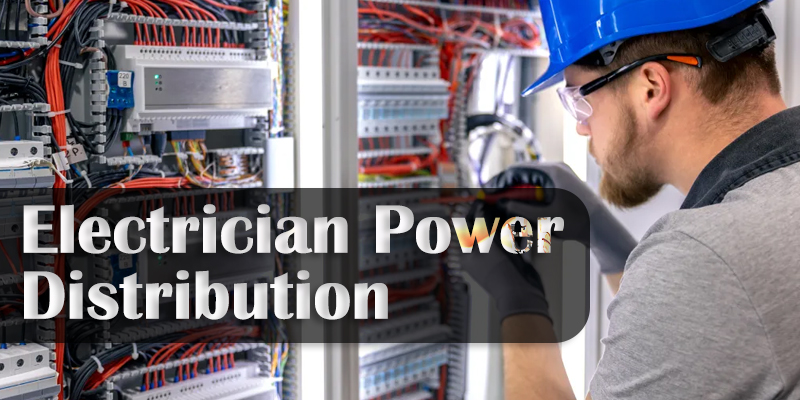
Electricians are required in many private sector industries including construction companies, manufacturing units, maintenance services, and electrical equipment companies. Factories require electricians to maintain machinery and electrical systems, while construction companies need electricians for building wiring and installation projects.
Electrical maintenance companies, energy companies, and engineering firms also hire trained electricians for installation and repair work. These opportunities provide a wide range of career options for ITI electrician graduates.
Opportunities in Renewable Energy Sector
The renewable energy sector is growing rapidly, especially in areas such as solar power and wind energy. Solar panel installation and maintenance require skilled electricians who understand electrical systems and safety procedures.
ITI electrician graduates can work in solar energy companies and renewable energy projects, where they help install solar panels, maintain power systems, and support sustainable energy solutions.
Affordable Technical Education
ITI courses are known for being affordable compared to many other technical education programs. Government ITIs offer training at very low fees, making technical education accessible to students from different economic backgrounds.
In some cases, students may also receive scholarships or financial support from government schemes. This makes ITI electrician training an economical way to gain valuable technical skills.
Opportunities for International Employment
Skilled electricians are also in demand internationally. Many countries with growing infrastructure and construction industries require trained electricians for installation and maintenance work. Indian electricians with proper training and experience can find job opportunities in countries in the Middle East, Europe, and other regions.
Working abroad often provides higher salaries and valuable international work experience, which can improve long-term career prospects.
Career Growth and Further Education
After completing ITI in Electrician trade, students can continue their education and improve their qualifications. Some may pursue apprenticeship training, diploma courses, or advanced technical certifications. These qualifications can help them move into supervisory roles, technical specialist positions, or engineering support roles.
With experience, electricians may also become electrical supervisors, maintenance managers, or technical trainers.
Contribution to Modern Infrastructure
Electricians play a vital role in the development of modern infrastructure. They ensure that homes, offices, hospitals, industries, and public facilities have safe and reliable electrical systems. Their work supports communication systems, lighting, machinery, and essential services.
By installing and maintaining electrical systems, electricians contribute directly to economic development and the smooth functioning of modern society.
Conclusion
The ITI Electrician trade provides a strong foundation for a successful career in the technical field. With high demand, practical skill development, government job opportunities, and the potential for self-employment, this course offers many advantages for students who want to build a stable future.
Electricians are essential professionals who help power modern society. By completing ITI in Electrician trade, students gain valuable technical skills that can lead to employment, entrepreneurship, and career growth in both national and international markets.
For students interested in electrical technology and hands-on technical work, ITI Electrician is an excellent career choice that offers long-term stability and growth opportunities.