


Skip to header Skip to main navigation Skip to main content Skip to footer

User account menu

  • Log in
Home
Electrician ITI
ITI Trade Electrician, Wireman

Main navigation

  • Home
  • Book
  • Question Paper
  • Trade Syllabus
  • рд╡рд╛рдпрд░рдореИрди
    • WIREMAN Assessment Criteria
    • WIREMAN Course Information
    • WIREMAN General Information
    • WIREMAN Job Role
    • WIREMAN Learning Outcomes
    • WIREMAN Training System
  • рдЗрд▓реЗрдХреНрдЯреНрд░реАрд╢рд┐рдпрди
  • ITI Tools
    • Employability Skills (opens in new tab)
    • Engineering Drawing (opens in new tab)
    • Hunnarbaaz (opens in new tab)
    • Syllabus (opens in new tab)
    • Workshop Calculation and Science (opens in new tab)

Extension of range and calibration of measuring instruments.

Breadcrumb

  • Home
  • Extension of range and calibration of measuring instruments.
  • English
  • Hindi
  • Bengali
  • Malayalam
  • Gujarati
ITI Trade: Electrician
рдЗрд▓реЗрдХреНрдЯреНрд░реАрд╢рд┐рдпрди

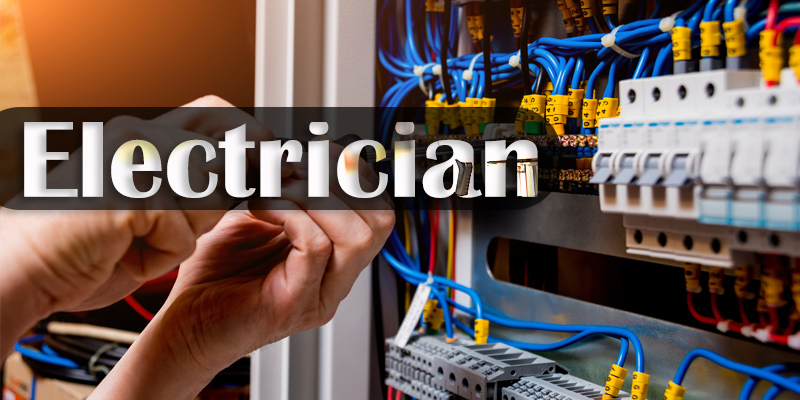
рдЗрд▓реЗрдХреНрдЯреНрд░реАрд╢рд┐рдпрди рдЯреНрд░реЗрдб рдХрд╛ рдпрд╣ рджреЛ рд╡рд░реНрд╖реАрдп рдкрд╛рдареНрдпрдХреНрд░рдо рдХреНрд░рд╛рдлреНрдЯреНрд╕рдореИрди рдЯреНрд░реЗрдирд┐рдВрдЧ рд╕реНрдХреАрдо (CTS) рдХреЗ рдЕрдВрддрд░реНрдЧрдд, рд░рд╛рд╖реНрдЯреНрд░реАрдп рд╡реНрдпрд╛рд╡рд╕рд╛рдпрд┐рдХ рдкреНрд░рд╢рд┐рдХреНрд╖рдг рдкрд░рд┐рд╖рдж (NCVT) рджреНрд╡рд╛рд░рд╛ рдкреНрд░рджрд╛рди рдХрд┐рдпрд╛ рдЬрд╛рддрд╛ рд╣реИред рдпрд╣ рдЫрд╛рддреНрд░реЛрдВ рдХреЛ рд╡рд┐рджреНрдпреБрдд рд╕реНрдерд╛рдкрдирд╛, рд░рдЦрд░рдЦрд╛рд╡ рдФрд░ рдорд░рдореНрдордд рдХрд╛ рдкреНрд░рд╢рд┐рдХреНрд╖рдг рджреЗрддрд╛ рд╣реИ, рдЬрд┐рд╕рд╕реЗ рд╡реЗ рдЗрд▓реЗрдХреНрдЯреНрд░реАрд╢рд┐рдпрди, рд╡рд╛рдпрд░рдореИрди рдпрд╛ рдЗрд▓реЗрдХреНрдЯреНрд░рд┐рдХрд▓ рддрдХрдиреАрд╢рд┐рдпрди рдЬреИрд╕реА рднреВрдорд┐рдХрд╛рдУрдВ рдХреЗ рд▓рд┐рдП рддреИрдпрд╛рд░ рд╣реЛ рд╕рдХреЗрдВред рдкрд╛рдареНрдпрдХреНрд░рдо рдореЗрдВ рдЯреНрд░реЗрдб рдереНрдпреЛрд░реА, рдЯреНрд░реЗрдб рдкреНрд░реИрдХреНрдЯрд┐рдХрд▓, рд╡рд░реНрдХрд╢реЙрдк рдХреИрд▓рдХреБрд▓реЗрд╢рди рдПрд╡рдВ рд╕рд╛рдЗрдВрд╕, рдЗрдВрдЬреАрдирд┐рдпрд░рд┐рдВрдЧ рдбреНрд░рд╛рдЗрдВрдЧ рдФрд░ рдПрдореНрдкреНрд▓реЙрдпрдмрд┐рд▓рд┐рдЯреА рд╕реНрдХрд┐рд▓реНрд╕ рд╢рд╛рдорд┐рд▓ рд╣реИрдВред рдиреАрдЪреЗ рдЗрд╕рдХрд╛ рд╡рд┐рд╕реНрддреГрдд рд╡рд┐рд╡рд░рдг рджрд┐рдпрд╛ рдЧрдпрд╛ рд╣реИ:

Trade Name: Wireman
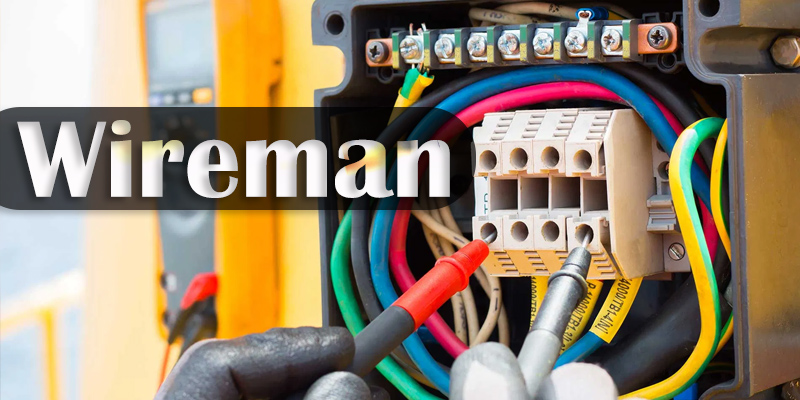
рд╡рд╛рдпрд░рдореИрди
  • рдЯреНрд░реЗрдб рдирд╛рдо: рд╡рд╛рдпрд░рдореИрди
  • рдЕрд╡рдзрд┐: 2 рд╡рд░реНрд╖ (4 рд╕реЗрдореЗрд╕реНрдЯрд░)
  • рдПрдирдПрд╕рдХреНрдпреВрдПрдл рд╕реНрддрд░: рд╕реНрддрд░ 5
  • рдпреЛрдЧреНрдпрддрд╛: 8рд╡реАрдВ рдкрд╛рд╕
ITI Electroplater Trade
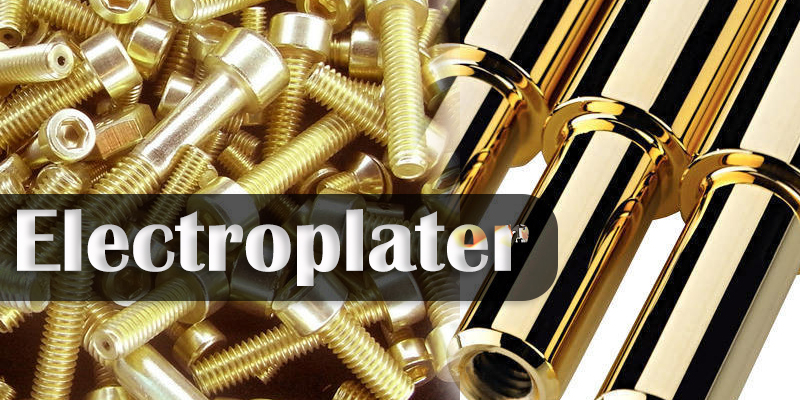
рдЗрд▓реЗрдХреНрдЯреНрд░реЛрдкреНрд▓реЗрдЯрд░

рдЖрдИрдЯреАрдЖрдИ "рдЗрд▓реЗрдХреНрдЯреНрд░реЛрдкреНрд▓реЗрдЯрд░" рдЯреНрд░реЗрдб рдПрдХ рджреЛ рд╡рд░реНрд╖реАрдп рд╡реНрдпрд╛рд╡рд╕рд╛рдпрд┐рдХ рдкреНрд░рд╢рд┐рдХреНрд╖рдг рдХрд╛рд░реНрдпрдХреНрд░рдо рд╣реИ, рдЬреЛ рдиреЗрд╢рдирд▓ рдХрд╛рдЙрдВрд╕рд┐рд▓ рдлреЙрд░ рд╡реЛрдХреЗрд╢рдирд▓ рдЯреНрд░реЗрдирд┐рдВрдЧ (рдПрдирд╕реАрд╡реАрдЯреА) рджреНрд╡рд╛рд░рд╛ рдХреНрд░рд╛рдлреНрдЯреНрд╕рдореИрди рдЯреНрд░реЗрдирд┐рдВрдЧ рд╕реНрдХреАрдо (рд╕реАрдЯреАрдПрд╕) рдХреЗ рддрд╣рдд рд╕рдВрдЪрд╛рд▓рд┐рдд рд╣реЛрддрд╛ рд╣реИред рдпрд╣ рдХреЛрд░реНрд╕ рдкреНрд░рд╢рд┐рдХреНрд╖реБрдУрдВ рдХреЛ рдЗрд▓реЗрдХреНрдЯреНрд░реЛрдкреНрд▓реЗрдЯрд┐рдВрдЧ рддрдХрдиреАрдХреЛрдВ, рд╕рддрд╣ рддреИрдпрд╛рд░реА, рдФрд░ рдзрд╛рддреБ рд╕рддрд╣реЛрдВ рдкрд░ рд╕реБрд░рдХреНрд╖рд╛рддреНрдордХ рд╡ рд╕рдЬрд╛рд╡рдЯреА рдХреЛрдЯрд┐рдВрдЧреНрд╕ рд▓рдЧрд╛рдиреЗ рдореЗрдВ рдХреМрд╢рд▓ рдкреНрд░рджрд╛рди рдХрд░рддрд╛ рд╣реИред рдкрд╛рдареНрдпрдХреНрд░рдо рдореЗрдВ рд╕реИрджреНрдзрд╛рдВрддрд┐рдХ рдЬреНрдЮрд╛рди, рдкреНрд░рд╛рдпреЛрдЧрд┐рдХ рдЗрд▓реЗрдХреНрдЯреНрд░реЛрдкреНрд▓реЗрдЯрд┐рдВрдЧ рдХреМрд╢рд▓, рдФрд░ рд░реЛрдЬрдЧрд╛рд░ рдпреЛрдЧреНрдпрддрд╛ рдкреНрд░рд╢рд┐рдХреНрд╖рдг рд╢рд╛рдорд┐рд▓ рд╣реИ, рдЬреЛ рдЫрд╛рддреНрд░реЛрдВ рдХреЛ рдСрдЯреЛрдореЛрдЯрд┐рд╡, рдПрдпрд░реЛрд╕реНрдкреЗрд╕, рдЖрднреВрд╖рдг, рдФрд░ рд╡рд┐рдирд┐рд░реНрдорд╛рдг рдЙрджреНрдпреЛрдЧреЛрдВ рдореЗрдВ рдЗрд▓реЗрдХреНрдЯреНрд░реЛрдкреНрд▓реЗрдЯрд░, рд╕рддрд╣ рдЙрдкрдЪрд╛рд░

Electrician Power Distribution
рдЗрд▓реЗрдХреНрдЯреНрд░рд┐рд╢рд┐рдпрди (рдкрд╛рд╡рд░ рдбрд┐рд╕реНрдЯреНрд░реАрдмреНрдпреВрд╢рди)

рдЗрд▓реЗрдХреНрдЯреНрд░рд┐рд╢рд┐рдпрди (рдкрд╛рд╡рд░ рдбрд┐рд╕реНрдЯреНрд░реАрдмреНрдпреВрд╢рди) рдЖрдИрдЯреАрдЖрдИ рдЯреНрд░реЗрдб рдПрдХ 2 рд╡рд░реНрд╖реАрдп NSQF рд▓реЗрд╡рд▓ 4/5 рдХрд╛ рдХреЛрд░реНрд╕ рд╣реИ, рдЬреЛ рд╡рд┐рджреНрдпреБрдд рд╡рд┐рддрд░рдг рдкреНрд░рдгрд╛рд▓рд┐рдпреЛрдВ рдХреА рд╕реНрдерд╛рдкрдирд╛, рд╕рдВрдЪрд╛рд▓рди, рд░рдЦрд░рдЦрд╛рд╡ рдФрд░ рдорд░рдореНрдордд рдкрд░ рдХреЗрдВрджреНрд░рд┐рдд рд╣реИред рдЗрд╕рдореЗрдВ рдЯреНрд░рд╛рдВрд╕рдлреЙрд░реНрдорд░, рдУрд╡рд░рд╣реЗрдб рд▓рд╛рдЗрди, рдЕрдВрдбрд░рдЧреНрд░рд╛рдЙрдВрдб рдХреЗрдмрд▓, рд╕реНрд╡рд┐рдЪрдЧрд┐рдпрд░ рдФрд░ рд╕реБрд░рдХреНрд╖рд╛ рдкреНрд░рдХреНрд░рд┐рдпрд╛рдПрдВ рд╢рд╛рдорд┐рд▓ рд╣реИрдВ, рдЬреЛ рдЫрд╛рддреНрд░реЛрдВ рдХреЛ рдмрд┐рдЬрд▓реА рдмреЛрд░реНрдб, рдпреВрдЯрд┐рд▓рд┐рдЯреА рдФрд░ рдЙрджреНрдпреЛрдЧреЛрдВ рдореЗрдВ рдХрд╛рд░реНрдп рдХреЗ рд▓рд┐рдП рддреИрдпрд╛рд░ рдХрд░рддрд╛ рд╣реИред

рдореБрдЦреНрдп рд╡рд┐рд╡рд░рдг

Lift and Escalator Mechanic
рд▓рд┐рдлреНрдЯ рдФрд░ рдПрд╕реНрдХреЗрд▓реЗрдЯрд░ рдореИрдХреЗрдирд┐рдХ
  • рдЯреНрд░реЗрдб рдирд╛рдо: рд▓рд┐рдлреНрдЯ рдФрд░ рдПрд╕реНрдХреЗрд▓реЗрдЯрд░ рдореИрдХреЗрдирд┐рдХ
  • рдЕрд╡рдзрд┐: 2 рд╡рд░реНрд╖ (4 рд╕реЗрдореЗрд╕реНрдЯрд░)
  • рдПрдирдПрд╕рдХреНрдпреВрдПрдл рд╕реНрддрд░: рд╕реНрддрд░ 5
  • рдпреЛрдЧреНрдпрддрд╛: 10рд╡реАрдВ рдкрд╛рд╕ (рд╡рд┐рдЬреНрдЮрд╛рди рдФрд░ рдЧрдгрд┐рдд рдХреЗ рд╕рд╛рде)
By Anand | 12:44 PM IST, Mon April 28, 2025

ЁЯУП Extension of Range and Calibration of Measuring Instruments тЪЩя╕П

In electrical and electronic measurements, ensuring that instruments are accurate and capable of measuring over a wide range of parameters is crucial. To achieve this, two fundamental techniques are used: Extension of Range and Calibration of Measuring Instruments. These techniques allow the user to expand the capability of measuring instruments and ensure the reliability of their readings. Let's delve deeper into these concepts. ЁЯФН

ЁЯФз 1. Extension of Range of Measuring Instruments

Extension of range refers to the process of increasing the measurable range of an instrument. Measuring instruments, such as voltmeters, ammeters, and multimeters, typically have a specified range of measurements. However, there are situations where the measurements required exceed the instrument's default range. In such cases, the range of the instrument can be extended using various techniques. ЁЯЫая╕ПЁЯУК

1.1. Methods of Extending the Range

There are several methods for extending the range of a measuring instrument. Some of the common methods include:

  • Shunt Resistor: For current measurement, the range of an ammeter can be extended by using a shunt resistor. A shunt resistor is connected in parallel with the ammeter. This allows the majority of the current to bypass the ammeter, ensuring that the ammeter measures only a fraction of the total current. The voltage across the shunt resistor is then used to calculate the total current. тЪб
  • Series Resistor (For Voltmeter): A series resistor can be connected with a voltmeter to extend its range. This resistor limits the current entering the voltmeter, ensuring the instrument is not overloaded and can measure higher voltages. The series resistor reduces the current that flows through the meter, thereby protecting the meter from higher voltage exposure. ЁЯТб
  • Use of a Range Switch: Some measuring instruments come with a built-in range switch that allows the user to select different ranges. By switching between ranges, the instrument can measure values in different scales. For example, digital multimeters often have a range switch to select between different voltage, current, and resistance ranges. ЁЯФД
  • External Transformers: For high-voltage and high-current measurements, instruments like voltmeters and ammeters can use external transformers (voltage or current transformers) to extend the measuring range. These transformers step down high voltage or current levels to more manageable values that the measuring instrument can handle. тЪб

1.2. Importance of Range Extension

Range extension is vital in practical applications where measurements need to be taken over a wide variety of values. By extending the range of measuring instruments, technicians and engineers can perform a broader set of tests, thus increasing the versatility and accuracy of the instruments. ЁЯУИ

тЪЩя╕П 2. Calibration of Measuring Instruments

Calibration is the process of verifying and adjusting the accuracy of a measuring instrument. It ensures that the instrument provides correct and consistent measurements. The process involves comparing the instrument's readings with known standards (often referred to as calibration standards) and adjusting the instrument if necessary to reduce any discrepancies. ЁЯФз

2.1. Why Calibration is Important

Over time, measuring instruments can experience drift or inaccuracies due to factors such as wear and tear, environmental conditions, or component aging. Calibration ensures that these errors are corrected and that the instrument continues to provide accurate readings. Regular calibration helps maintain the reliability of the instrument and ensures that measurement results remain within acceptable tolerances. ЁЯУК

2.2. Calibration Process

The general process of calibrating a measuring instrument includes the following steps:

  • Preparation: Ensure that the instrument to be calibrated is clean, free from damage, and functioning properly. The instrument must also be in the proper operating condition, such as being warmed up if necessary. ЁЯЫая╕П
  • Comparison: The instrument is compared to a known reference or standard instrument. This standard has been carefully calibrated and is traceable to national or international standards. The readings of both instruments are taken under identical conditions. ЁЯУП
  • Adjustment: If any discrepancies between the instrumentтАЩs readings and the reference standard are found, adjustments are made to bring the instrument back into calibration. For example, digital meters can be adjusted using calibration software, while analog meters may require mechanical adjustments. ЁЯФз
  • Verification: After adjustments, the instrument is rechecked to ensure it now provides accurate readings. The calibration process may be repeated several times to verify consistency. тЬЕ
  • Documentation: Calibration results and adjustments made are documented for future reference and quality assurance. Calibration certificates may be issued for traceability. ЁЯУС

2.3. Calibration Standards

Calibration is based on comparison with known standards, which can be categorized into three main types:

  • Primary Standards: These are the most accurate and stable reference instruments. Primary standards are typically used by national measurement institutes and are traceable to international standards. ЁЯМН
  • Secondary Standards: These are instruments that are calibrated against primary standards. Secondary standards are commonly used in industries for routine calibration. ЁЯПн
  • Working Standards: These are the instruments used on a day-to-day basis for routine measurement and calibration. They are calibrated against secondary standards and provide a convenient reference. тЪЩя╕П

2.4. Frequency of Calibration

The frequency of calibration depends on several factors such as:

  • The type of instrument (e.g., digital meters vs. analog meters).
  • The precision required for the measurements.
  • The frequency of use (instruments used frequently may require more frequent calibration).
  • The environmental conditions (extreme temperatures, humidity, or dust can affect instrument accuracy). ЁЯМбя╕П

It is recommended to calibrate measuring instruments at regular intervals or whenever they are suspected of providing inaccurate readings. Calibration ensures that measurements are consistently accurate and reliable, reducing the risk of errors in critical measurements. ЁЯз░ЁЯУП

ЁЯФз 3. Summary of Extension and Calibration

Both the extension of range and calibration of measuring instruments are essential for maintaining accuracy and reliability in electrical measurements:

  • Range Extension: Enables the use of measuring instruments across a broader spectrum of values through methods like shunt resistors, range switches, or external transformers. ЁЯФМ
  • Calibration: Ensures the instrument provides accurate and consistent readings by comparing it against known standards and making necessary adjustments. ЁЯФз

Proper range extension and regular calibration not only improve the accuracy of measurements but also prolong the life of measuring instruments, ensuring that electrical systems are tested safely and effectively. тЪбЁЯФз

Electrician

All Language Post

Extension of range and calibration of measuring instruments.

Book

  • Advantages of AC poly-phase system
  • Magnetic terms
  • First aid safety practice
  • Estimation of load, cable size, bill of material and cost.
  • PVC conduit and Casing-capping wiring system
  • I.E. rules on electrical wiring
  • Chemical effect of electric current and Laws of electrolysis
  • Comparison and Advantages of DC and AC systems
  • Laws of Resistance and various types of resistors
  • OhmтАЩs Law
  • Underground Cable
  • Joints in electrical conductors
  • Fundamentals of electricity, definitions, units & effects of electric current
  • Marking tools
  • Allied trades: Introduction to fitting tools, safety precautions
  • Concept of Standards and advantages of BIS/ISI
  • Scope of the electrician trade

Question Paper

Electrician
Electrician (Practical) тАУ Semester II 18/A/C/S-2/4/E
Sem - 4 4/July/ 2018
Electrician (Practical) тАУ Semester II 17IA/C/S-2/4/E
Sem - 2 2/July/ 2018
ITI Electrician First Semester Model Paper
Trade Theory Semester 2 JULY 2018
Trade Theory Semester 1 January 2018
Practical Examination тАУ Semester I Session: 2017тАУ2018
Electrician (Practical) тАУ Semester IV 4 jan 18
Sem - 4 4/ July/2017
sem - 1 1/July/2018
Electrician (Practical) тАУ Semester IV 4 jan 2018
Practical Examination тАУ Semester I 1 july 2018
Electrician (Practical) тАУ Semester II 3 july 2018
Electrician (Practical) тАУ Semester III 3 july 2017
Electrician (Practical) тАУ Semester III 3 jan 2018
Electrician (Practical) тАУ Semester II 2 july 2018
Electrician (Practical) тАУ Semester II 2 july 2017
Sem - 1 1/July/2017
ркЗрк▓рлЗркХрлНркЯрлНрк░рк┐рк╢рк┐ркпрки
ITI Electrician First Semester Model Paper
рдЗрд▓реЗрдХреНрдЯреНрд░реАрд╢рд┐рдпрди
ITI рдЗрд▓реЗрдХреНрдЯреНрд░реАрд╢рд┐рдпрди рдЯреНрд░реЗрдб First Semester Model Paper
Electrician 2nd Semester Question Paper in Hindi
ITI рдЗрд▓реЗрдХреНрдЯреНрд░реАрд╢рд┐рдпрди 4th рд╕реЗрдореЗрд╕реНрдЯрд░ рдореЗрдВ рдкреВрдЫреЗ рдЧрдП рдкреНрд░рд╢реНрди

Common Subject

  • Engineering Drawing
  • Employability Skills
  • Workshop Calculation Science

Directory

  • Industrial Training Institutes
  • Engineering College
  • Medical College

Knowledge Bank

  • ITI Syllabus
  • Tools

Student Friend

  • ITI Admission
  • ITI Jobs
  • ITI Hunnarbaaz
  • Get ITI Website

Trade

рдЗрд▓реЗрдХреНрдЯреНрд░реАрд╢рд┐рдпрди
рд╡рд╛рдпрд░рдореИрди
рдЗрд▓реЗрдХреНрдЯреНрд░реЛрдкреНрд▓реЗрдЯрд░
рдЗрд▓реЗрдХреНрдЯреНрд░рд┐рд╢рд┐рдпрди (рдкрд╛рд╡рд░ рдбрд┐рд╕реНрдЯреНрд░реАрдмреНрдпреВрд╢рди)
рд▓рд┐рдлреНрдЯ рдФрд░ рдПрд╕реНрдХреЗрд▓реЗрдЯрд░ рдореИрдХреЗрдирд┐рдХ

Electrician + Wireman + Electroplater + Electrician Power Distribution + Lift and Escalator Mechanic | ITI Fitter | ITI COPA | ITI Welder | ITI Mechanic | ITI Electronics | Agriculture + Horticulture + Floriculture | ITI Draughtsman Civil & Mech | ITI Refrigeration & Air Conditioning | ITI Turner | ITI Plumber | ITI Machinist | ITI Cosmetology | ITI Sewing | ITI Surveyor

Copyright ┬й 2026 ITI Directory - All rights reserved

Developed and Designed by ITI Directory