
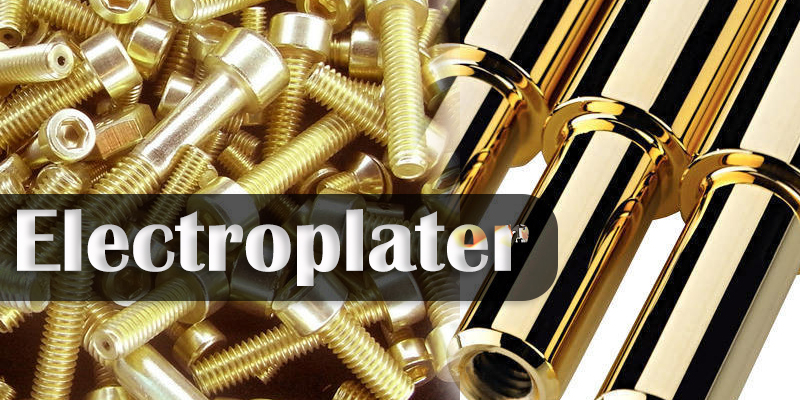
The ITI "Electroplater" trade is a two-year vocational training program under the Craftsman Training Scheme (CTS), governed by the National Council for Vocational Training (NCVT). This course equips trainees with skills in electroplating techniques, surface preparation, and the application of protective and decorative coatings on metal surfaces. The syllabus integrates theoretical knowledge, practical electroplating skills, and employability training to prepare students for roles such as electroplaters, surface treatment technicians, or quality inspectors in industries like automotive, aerospace, jewelry, and manufacturing.
Course Overview
- Duration: 2 years (4 semesters, each 6 months)
- NSQF Level: Level 4
- Eligibility: Minimum 10th grade pass with Science and Mathematics (or equivalent)
- Objective: To train individuals in electroplating processes, ensuring quality metal finishing while adhering to safety and environmental standards.
Detailed Syllabus Breakdown
1. Trade Theory (Theoretical Knowledge)
Covers foundational concepts in electroplating and metal finishing.
- Semester 1
- Introduction to Electroplating
- Definition and purpose of electroplating: corrosion resistance, aesthetics.
- Overview of electroplating industry and its applications.
- Types of plating: nickel, chrome, zinc, copper, gold, silver.
- Basic Chemistry and Physics
- Electrochemistry: principles of electrolysis, Faraday’s laws.
- Conductors, insulators, and electrolytes: properties and uses.
- pH, acids, bases, and salts: their role in plating solutions.
- Tools and Equipment
- Electroplating tools: anodes, cathodes, rectifiers, tanks.
- Measuring instruments: voltmeter, ammeter, hydrometer.
- Safety equipment: gloves, goggles, fume hoods.
- Surface Preparation
- Cleaning methods: degreasing, pickling, polishing.
- Surface defects: rust, scale, oil, and their removal.
- Importance of surface preparation for quality plating.
- Safety and Hygiene
- Handling chemicals safely: acids, cyanides, solvents.
- Personal protective equipment (PPE) and its use.
- First aid for chemical exposure and burns.
- Introduction to Electroplating
- Semester 2
- Electroplating Processes
- Electrolysis setup: anode-cathode arrangement, current flow.
- Plating solutions: preparation, composition, and maintenance.
- Factors affecting plating: temperature, current density, time.
- Types of Electroplating
- Nickel plating: process, applications (e.g., automotive parts).
- Zinc plating: corrosion protection, galvanizing basics.
- Copper plating: undercoating and decorative uses.
- Quality Control
- Testing plating thickness: micrometer, salt spray test.
- Adhesion testing: bend test, scratch test.
- Identifying plating defects: pitting, peeling, uneven coating.
- Environmental Regulations
- Waste disposal: handling plating effluents, chemical neutralization.
- Pollution control: fume extraction, water treatment basics.
- Compliance with environmental standards.
- Electroplating Processes
- Semester 3
- Advanced Electroplating Techniques
- Chrome plating: hard chrome, decorative chrome processes.
- Gold and silver plating: jewelry and electronics applications.
- Electroforming: creating metal parts through deposition.
- Electroplating Equipment Maintenance
- Rectifier maintenance: voltage and current regulation.
- Tank cleaning and solution filtration techniques.
- Troubleshooting: power failure, uneven plating issues.
- Surface Finishing
- Polishing and buffing post-plating.
- Anodizing basics: aluminum surface treatment.
- Passivation: enhancing corrosion resistance.
- Industrial Applications
- Electroplating in automotive, aerospace, and electronics industries.
- Decorative plating for consumer goods (e.g., faucets, cutlery).
- Plating specifications and standards (e.g., IS, ASTM).
- Advanced Electroplating Techniques
- Semester 4
- Specialized Plating Processes
- Barrel plating: small parts plating in bulk.
- Brush plating: selective area plating.
- Electroless plating: chemical deposition without electricity.
- Quality Assurance and Standards
- ISO standards for electroplating quality.
- Statistical process control (SPC) in plating operations.
- Documentation: maintaining plating logs, test reports.
- Entrepreneurship and Management
- Setting up a small electroplating unit: cost estimation, licensing.
- Marketing plated products and services.
- Worker safety and team coordination in plating shops.
- Emerging Trends
- Green electroplating: eco-friendly solutions, reduced waste.
- Nanotechnology in plating: thin film coatings.
- Automation in electroplating processes.
- Specialized Plating Processes
2. Trade Practical (Hands-On Skills)
Focuses on practical electroplating and surface treatment skills.
- Semester 1
- Basic Skills
- Setting up an electroplating bath: anode, cathode, electrolyte.
- Measuring voltage and current using multimeters.
- Cleaning metal surfaces: degreasing, pickling.
- Simple Plating
- Copper plating on mild steel samples.
- Zinc plating on small metal parts.
- Testing plating adhesion and uniformity.
- Safety Practices
- Using PPE: gloves, goggles, aprons during plating.
- Handling and disposing of chemicals safely.
- Basic Skills
- Semester 2
- Electroplating Practice
- Nickel plating on steel components.
- Preparing and maintaining plating solutions.
- Adjusting current and time for desired thickness.
- Quality Testing
- Measuring plating thickness with a micrometer.
- Conducting adhesion tests on plated samples.
- Identifying and correcting plating defects.
- Equipment Handling
- Operating rectifiers and monitoring power supply.
- Cleaning plating tanks and filtering solutions.
- Electroplating Practice
- Semester 3
- Advanced Plating
- Chrome plating on metal parts (e.g., tools).
- Gold or silver plating on jewelry items.
- Electroforming a small metal object.
- Finishing Techniques
- Polishing and buffing plated surfaces.
- Anodizing aluminum samples.
- Applying passivation layers on plated items.
- Maintenance
- Troubleshooting rectifier and tank issues.
- Replacing worn-out anodes and cathodes.
- Advanced Plating
- Semester 4
- Specialized Plating
- Barrel plating of small components (e.g., screws).
- Brush plating on specific areas of a metal part.
- Electroless nickel plating on a sample.
- Quality Assurance
- Conducting salt spray tests for corrosion resistance.
- Preparing quality control reports for plated items.
- Maintaining logs of plating parameters.
- Project Work
- Plating a functional item (e.g., automotive part or jewelry).
- Documenting the process and presenting a finished product.
- Specialized Plating
3. Workshop Calculation and Science
Provides mathematical and scientific support for electroplating tasks.
- Semester 1
- Arithmetic: calculating current, voltage, and plating time.
- Chemistry: preparing electrolyte solutions, pH measurement.
- Physics: electrical circuits, conductivity basics.
- Semester 2
- Calculations: plating thickness, solution concentration.
- Science: electrochemical reactions, metal deposition principles.
- Measurements: specific gravity, temperature effects.
- Semester 3
- Geometry: calculating surface area for plating.
- Chemistry: analyzing plating bath composition.
- Physics: heat effects on plating processes.
- Semester 4
- Statistics: quality control data analysis.
- Calculations: cost estimation for plating jobs.
- Science: corrosion mechanisms, nanotechnology basics.
4. Engineering Drawing
Focuses on technical drawing for electroplating setups.
- Semester 1: Drawing layouts of plating tanks and circuits.
- Semester 2: Sketching anode-cathode arrangements.
- Semester 3: Preparing diagrams for multi-stage plating processes.
- Semester 4: Designing layouts for a small plating unit.
5. Employability Skills
Enhances job readiness and soft skills.
- Semester 1 & 2
- Communication skills: interacting with supervisors and clients.
- Time management: completing plating tasks on schedule.
- Basic IT skills: recording data using spreadsheets.
- Semester 3 & 4
- Entrepreneurship: planning an electroplating business.
- Resume writing and interview preparation for technical jobs.
- Teamwork: coordinating with plating team members.
Assessment and Certification
- Examinations: Conducted semester-wise with theoretical and practical components.
- Certification: Successful candidates receive the National Trade Certificate (NTC) from NCVT, recognized nationally and internationally.
- Evaluation: Based on plating quality, technical skills, theoretical knowledge, and project work.
Career Opportunities
- Employment: Electroplater, surface treatment technician, quality inspector in automotive, aerospace, jewelry, or manufacturing industries.
- Self-Employment: Starting a small electroplating workshop or service unit.
- Further Studies: Diploma in Surface Coating Technology, Chemical Engineering, or Metallurgy.
Note
- This syllabus aligns with the latest NCVT guidelines and may vary slightly based on institutional or state-specific requirements.
- For the most current version, refer to the Directorate General of Training (DGT) website (dgt.gov.in) or consult your local ITI.