


Skip to header Skip to main navigation Skip to main content Skip to footer

User account menu

  • Log in
Home
Electrician ITI
ITI Trade Electrician, Wireman

Main navigation

  • Home
  • Book
  • Question Paper
  • Trade Syllabus
  • рд╡рд╛рдпрд░рдореИрди
    • WIREMAN Assessment Criteria
    • WIREMAN Course Information
    • WIREMAN General Information
    • WIREMAN Job Role
    • WIREMAN Learning Outcomes
    • WIREMAN Training System
  • рдЗрд▓реЗрдХреНрдЯреНрд░реАрд╢рд┐рдпрди
  • ITI Tools
    • Employability Skills (opens in new tab)
    • Engineering Drawing (opens in new tab)
    • Hunnarbaaz (opens in new tab)
    • Syllabus (opens in new tab)
    • Workshop Calculation and Science (opens in new tab)

Magnetic terms, magnetic materials and properties of magnet

Breadcrumb

  • Home
  • Magnetic terms
  • Magnetic terms, magnetic materials and properties of magnet
  • English
  • Hindi
  • Bengali
  • Malayalam
  • Gujarati
ITI Trade: Electrician
рдЗрд▓реЗрдХреНрдЯреНрд░реАрд╢рд┐рдпрди

рдЗрд▓реЗрдХреНрдЯреНрд░реАрд╢рд┐рдпрди рдЯреНрд░реЗрдб рдХрд╛ рдпрд╣ рджреЛ рд╡рд░реНрд╖реАрдп рдкрд╛рдареНрдпрдХреНрд░рдо рдХреНрд░рд╛рдлреНрдЯреНрд╕рдореИрди рдЯреНрд░реЗрдирд┐рдВрдЧ рд╕реНрдХреАрдо (CTS) рдХреЗ рдЕрдВрддрд░реНрдЧрдд, рд░рд╛рд╖реНрдЯреНрд░реАрдп рд╡реНрдпрд╛рд╡рд╕рд╛рдпрд┐рдХ рдкреНрд░рд╢рд┐рдХреНрд╖рдг рдкрд░рд┐рд╖рдж (NCVT) рджреНрд╡рд╛рд░рд╛ рдкреНрд░рджрд╛рди рдХрд┐рдпрд╛ рдЬрд╛рддрд╛ рд╣реИред рдпрд╣ рдЫрд╛рддреНрд░реЛрдВ рдХреЛ рд╡рд┐рджреНрдпреБрдд рд╕реНрдерд╛рдкрдирд╛, рд░рдЦрд░рдЦрд╛рд╡ рдФрд░ рдорд░рдореНрдордд рдХрд╛ рдкреНрд░рд╢рд┐рдХреНрд╖рдг рджреЗрддрд╛ рд╣реИ, рдЬрд┐рд╕рд╕реЗ рд╡реЗ рдЗрд▓реЗрдХреНрдЯреНрд░реАрд╢рд┐рдпрди, рд╡рд╛рдпрд░рдореИрди рдпрд╛ рдЗрд▓реЗрдХреНрдЯреНрд░рд┐рдХрд▓ рддрдХрдиреАрд╢рд┐рдпрди рдЬреИрд╕реА рднреВрдорд┐рдХрд╛рдУрдВ рдХреЗ рд▓рд┐рдП рддреИрдпрд╛рд░ рд╣реЛ рд╕рдХреЗрдВред рдкрд╛рдареНрдпрдХреНрд░рдо рдореЗрдВ рдЯреНрд░реЗрдб рдереНрдпреЛрд░реА, рдЯреНрд░реЗрдб рдкреНрд░реИрдХреНрдЯрд┐рдХрд▓, рд╡рд░реНрдХрд╢реЙрдк рдХреИрд▓рдХреБрд▓реЗрд╢рди рдПрд╡рдВ рд╕рд╛рдЗрдВрд╕, рдЗрдВрдЬреАрдирд┐рдпрд░рд┐рдВрдЧ рдбреНрд░рд╛рдЗрдВрдЧ рдФрд░ рдПрдореНрдкреНрд▓реЙрдпрдмрд┐рд▓рд┐рдЯреА рд╕реНрдХрд┐рд▓реНрд╕ рд╢рд╛рдорд┐рд▓ рд╣реИрдВред рдиреАрдЪреЗ рдЗрд╕рдХрд╛ рд╡рд┐рд╕реНрддреГрдд рд╡рд┐рд╡рд░рдг рджрд┐рдпрд╛ рдЧрдпрд╛ рд╣реИ:

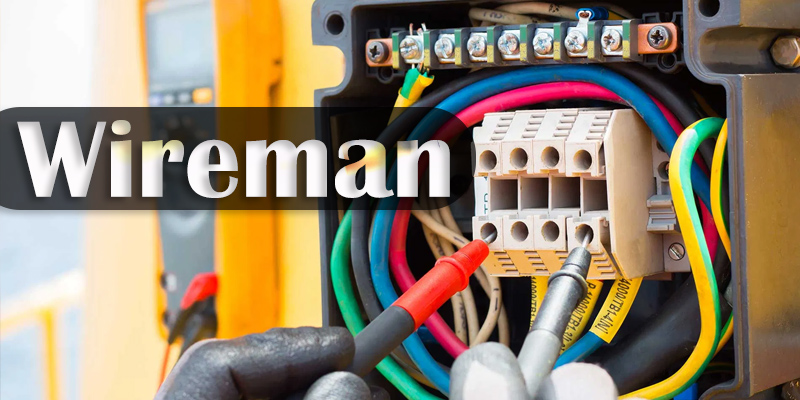
Trade Name: Wireman
рд╡рд╛рдпрд░рдореИрди
  • рдЯреНрд░реЗрдб рдирд╛рдо: рд╡рд╛рдпрд░рдореИрди
  • рдЕрд╡рдзрд┐: 2 рд╡рд░реНрд╖ (4 рд╕реЗрдореЗрд╕реНрдЯрд░)
  • рдПрдирдПрд╕рдХреНрдпреВрдПрдл рд╕реНрддрд░: рд╕реНрддрд░ 5
  • рдпреЛрдЧреНрдпрддрд╛: 8рд╡реАрдВ рдкрд╛рд╕
ITI Electroplater Trade
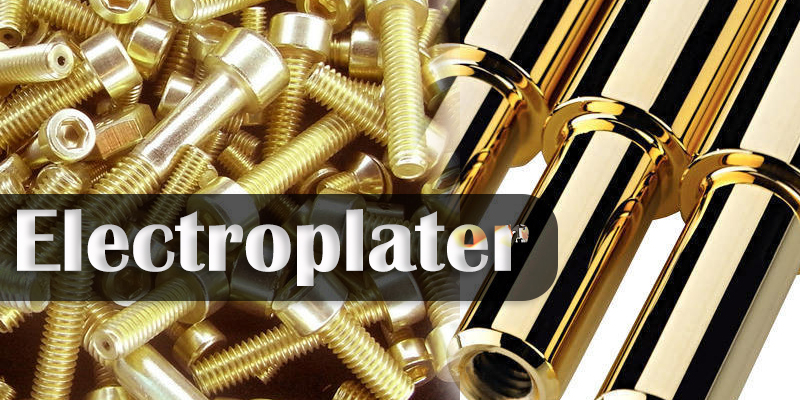
рдЗрд▓реЗрдХреНрдЯреНрд░реЛрдкреНрд▓реЗрдЯрд░

рдЖрдИрдЯреАрдЖрдИ "рдЗрд▓реЗрдХреНрдЯреНрд░реЛрдкреНрд▓реЗрдЯрд░" рдЯреНрд░реЗрдб рдПрдХ рджреЛ рд╡рд░реНрд╖реАрдп рд╡реНрдпрд╛рд╡рд╕рд╛рдпрд┐рдХ рдкреНрд░рд╢рд┐рдХреНрд╖рдг рдХрд╛рд░реНрдпрдХреНрд░рдо рд╣реИ, рдЬреЛ рдиреЗрд╢рдирд▓ рдХрд╛рдЙрдВрд╕рд┐рд▓ рдлреЙрд░ рд╡реЛрдХреЗрд╢рдирд▓ рдЯреНрд░реЗрдирд┐рдВрдЧ (рдПрдирд╕реАрд╡реАрдЯреА) рджреНрд╡рд╛рд░рд╛ рдХреНрд░рд╛рдлреНрдЯреНрд╕рдореИрди рдЯреНрд░реЗрдирд┐рдВрдЧ рд╕реНрдХреАрдо (рд╕реАрдЯреАрдПрд╕) рдХреЗ рддрд╣рдд рд╕рдВрдЪрд╛рд▓рд┐рдд рд╣реЛрддрд╛ рд╣реИред рдпрд╣ рдХреЛрд░реНрд╕ рдкреНрд░рд╢рд┐рдХреНрд╖реБрдУрдВ рдХреЛ рдЗрд▓реЗрдХреНрдЯреНрд░реЛрдкреНрд▓реЗрдЯрд┐рдВрдЧ рддрдХрдиреАрдХреЛрдВ, рд╕рддрд╣ рддреИрдпрд╛рд░реА, рдФрд░ рдзрд╛рддреБ рд╕рддрд╣реЛрдВ рдкрд░ рд╕реБрд░рдХреНрд╖рд╛рддреНрдордХ рд╡ рд╕рдЬрд╛рд╡рдЯреА рдХреЛрдЯрд┐рдВрдЧреНрд╕ рд▓рдЧрд╛рдиреЗ рдореЗрдВ рдХреМрд╢рд▓ рдкреНрд░рджрд╛рди рдХрд░рддрд╛ рд╣реИред рдкрд╛рдареНрдпрдХреНрд░рдо рдореЗрдВ рд╕реИрджреНрдзрд╛рдВрддрд┐рдХ рдЬреНрдЮрд╛рди, рдкреНрд░рд╛рдпреЛрдЧрд┐рдХ рдЗрд▓реЗрдХреНрдЯреНрд░реЛрдкреНрд▓реЗрдЯрд┐рдВрдЧ рдХреМрд╢рд▓, рдФрд░ рд░реЛрдЬрдЧрд╛рд░ рдпреЛрдЧреНрдпрддрд╛ рдкреНрд░рд╢рд┐рдХреНрд╖рдг рд╢рд╛рдорд┐рд▓ рд╣реИ, рдЬреЛ рдЫрд╛рддреНрд░реЛрдВ рдХреЛ рдСрдЯреЛрдореЛрдЯрд┐рд╡, рдПрдпрд░реЛрд╕реНрдкреЗрд╕, рдЖрднреВрд╖рдг, рдФрд░ рд╡рд┐рдирд┐рд░реНрдорд╛рдг рдЙрджреНрдпреЛрдЧреЛрдВ рдореЗрдВ рдЗрд▓реЗрдХреНрдЯреНрд░реЛрдкреНрд▓реЗрдЯрд░, рд╕рддрд╣ рдЙрдкрдЪрд╛рд░

Electrician Power Distribution
рдЗрд▓реЗрдХреНрдЯреНрд░рд┐рд╢рд┐рдпрди (рдкрд╛рд╡рд░ рдбрд┐рд╕реНрдЯреНрд░реАрдмреНрдпреВрд╢рди)

рдЗрд▓реЗрдХреНрдЯреНрд░рд┐рд╢рд┐рдпрди (рдкрд╛рд╡рд░ рдбрд┐рд╕реНрдЯреНрд░реАрдмреНрдпреВрд╢рди) рдЖрдИрдЯреАрдЖрдИ рдЯреНрд░реЗрдб рдПрдХ 2 рд╡рд░реНрд╖реАрдп NSQF рд▓реЗрд╡рд▓ 4/5 рдХрд╛ рдХреЛрд░реНрд╕ рд╣реИ, рдЬреЛ рд╡рд┐рджреНрдпреБрдд рд╡рд┐рддрд░рдг рдкреНрд░рдгрд╛рд▓рд┐рдпреЛрдВ рдХреА рд╕реНрдерд╛рдкрдирд╛, рд╕рдВрдЪрд╛рд▓рди, рд░рдЦрд░рдЦрд╛рд╡ рдФрд░ рдорд░рдореНрдордд рдкрд░ рдХреЗрдВрджреНрд░рд┐рдд рд╣реИред рдЗрд╕рдореЗрдВ рдЯреНрд░рд╛рдВрд╕рдлреЙрд░реНрдорд░, рдУрд╡рд░рд╣реЗрдб рд▓рд╛рдЗрди, рдЕрдВрдбрд░рдЧреНрд░рд╛рдЙрдВрдб рдХреЗрдмрд▓, рд╕реНрд╡рд┐рдЪрдЧрд┐рдпрд░ рдФрд░ рд╕реБрд░рдХреНрд╖рд╛ рдкреНрд░рдХреНрд░рд┐рдпрд╛рдПрдВ рд╢рд╛рдорд┐рд▓ рд╣реИрдВ, рдЬреЛ рдЫрд╛рддреНрд░реЛрдВ рдХреЛ рдмрд┐рдЬрд▓реА рдмреЛрд░реНрдб, рдпреВрдЯрд┐рд▓рд┐рдЯреА рдФрд░ рдЙрджреНрдпреЛрдЧреЛрдВ рдореЗрдВ рдХрд╛рд░реНрдп рдХреЗ рд▓рд┐рдП рддреИрдпрд╛рд░ рдХрд░рддрд╛ рд╣реИред

рдореБрдЦреНрдп рд╡рд┐рд╡рд░рдг

Lift and Escalator Mechanic
рд▓рд┐рдлреНрдЯ рдФрд░ рдПрд╕реНрдХреЗрд▓реЗрдЯрд░ рдореИрдХреЗрдирд┐рдХ
  • рдЯреНрд░реЗрдб рдирд╛рдо: рд▓рд┐рдлреНрдЯ рдФрд░ рдПрд╕реНрдХреЗрд▓реЗрдЯрд░ рдореИрдХреЗрдирд┐рдХ
  • рдЕрд╡рдзрд┐: 2 рд╡рд░реНрд╖ (4 рд╕реЗрдореЗрд╕реНрдЯрд░)
  • рдПрдирдПрд╕рдХреНрдпреВрдПрдл рд╕реНрддрд░: рд╕реНрддрд░ 5
  • рдпреЛрдЧреНрдпрддрд╛: 10рд╡реАрдВ рдкрд╛рд╕ (рд╡рд┐рдЬреНрдЮрд╛рди рдФрд░ рдЧрдгрд┐рдд рдХреЗ рд╕рд╛рде)
By Anand | 2:46 PM IST, Sat April 26, 2025

ЁЯз▓ Magnetic Terms, Magnetic Materials, and Properties of Magnets тЪб

Magnetism is a fundamental force of nature that is related to the movement of charged particles. Magnets have been used in various applications for centuries, from compasses to electric motors. Understanding magnetic terms, magnetic materials, and the properties of magnets is crucial in the field of electrical and electronic engineering. Let's delve into these essential concepts! ЁЯТб

1. ЁЯзн Magnetic Terms

Before diving into the materials and properties of magnets, let's first understand some basic magnetic terms: ЁЯУЪ

  • Magnetic Field (B): The region around a magnetic material or moving charge in which the force of magnetism acts. The direction of the magnetic field is taken from the North pole of a magnet to the South pole. ЁЯМН
  • Magnetic Force: The force experienced by a moving charge or current-carrying conductor when placed in a magnetic field. This force is perpendicular to both the magnetic field and the direction of the charge or current. тЪб
  • Magnetic Poles: Every magnet has two poles: North pole (N) and South pole (S). Like poles repel each other, while opposite poles attract. тЪТя╕П
  • Magnetic Flux (╬ж): The total number of magnetic field lines passing through a given area. It is proportional to the strength of the magnetic field and the area through which it passes. ЁЯФн
  • Magnetic Moment: A vector quantity that represents the strength and direction of a magnet. It is determined by the product of the pole strength and the distance between the poles. ЁЯУП
  • Magnetic Induction: The process by which a material becomes magnetized when placed in a magnetic field. It refers to the creation of a magnetic field within a material. ЁЯФз

2. ЁЯз▓ Magnetic Materials

Materials can be classified based on their response to magnetic fields. Some materials are attracted to magnets, while others are not. Here are the main types of magnetic materials: ЁЯПЧя╕П

  • Ferromagnetic Materials: These materials are strongly attracted to magnets and can be magnetized themselves. The most common example is iron (Fe), but other materials include nickel (Ni) and cobalt (Co). They have a high magnetic permeability and retain their magnetization even after the external magnetic field is removed. Examples include permanent magnets. ЁЯЫая╕П
  • Paramagnetic Materials: These materials are weakly attracted to magnetic fields but do not retain magnetization once the external field is removed. Examples include aluminum (Al) and platinum (Pt). They have a low magnetic permeability. ЁЯУЙ
  • Diamagnetic Materials: These materials are repelled by magnetic fields. They do not have any permanent magnetic moment. All materials exhibit some degree of diamagnetism, but it is most noticeable in materials like copper (Cu) and graphite. тЫФ
  • Antiferromagnetic Materials: In these materials, adjacent atoms or ions have opposing magnetic moments. This results in a material with zero net magnetization. Examples include manganese oxide (MnO). тЪЦя╕П
  • Ferrimagnetic Materials: These materials are similar to ferromagnetic materials but have unequal opposing magnetic moments. Common examples include magnetite (FeтВГOтВД). ЁЯФД

3. ЁЯз▓ Properties of Magnets

Magnets possess several key properties that make them essential in a wide range of applications. Here are some of the most important properties of magnets: ЁЯз▓

  • Attraction and Repulsion: Magnets always have two polesтАФNorth and South. Like poles repel each other, while opposite poles attract each other. This property is fundamental to the behavior of magnetic fields. ЁЯСе
  • Magnetic Induction: A magnet can induce magnetism in certain materials. For example, a piece of iron becomes magnetized when placed near a magnet. This is known as magnetic induction. ЁЯФД
  • Magnetic Field Lines: Magnetic field lines emerge from the North pole of a magnet and curve around to enter the South pole. These lines are closer together at the poles, indicating stronger magnetic fields. ЁЯММ
  • Magnetic Strength: The strength of a magnet is determined by the amount of magnetic moment it possesses. A stronger magnet has more aligned magnetic moments within its material. ЁЯТк
  • Polarity: Every magnet has two poles, North and South. The poles are where the magnetic force is strongest. If a magnet is cut in half, each half will have its own North and South pole. тЬВя╕П
  • Magnetization: The process of magnetizing a material involves aligning its magnetic domains. A material can be permanently magnetized (like a permanent magnet) or temporarily magnetized (like a compass needle). тЪЩя╕П

4. ЁЯМН Applications of Magnets

Magnets are used in various applications in daily life and industrial settings, ranging from household devices to large-scale machinery. Here are some common applications of magnets: ЁЯЫая╕П

  • Electric Motors: Magnets play a key role in electric motors, where they interact with electric current to produce rotational motion. тЪЩя╕П
  • Generators: Magnets are also essential in generators, where they induce an electric current by rotating in a magnetic field. тЪб
  • Magnetic Storage: Hard drives and other storage devices use magnets to store data by magnetizing tiny regions of material on a disk. ЁЯТ╗
  • Magnetic Resonance Imaging (MRI): MRI machines use powerful magnets to produce detailed images of the inside of the human body. ЁЯПе
  • Magnetic Compasses: Used in navigation, compasses rely on EarthтАЩs magnetic field to show direction. ЁЯзн
  • Magnetic Lifting: Magnets are used in industrial cranes to lift heavy ferrous materials such as steel and iron. ЁЯПЧя╕П

тЪб Conclusion

Understanding the magnetic terms, materials, and properties of magnets is essential for anyone working with electrical and electronic circuits. Magnets have unique and powerful characteristics that are utilized in many technologies that shape the modern world. From simple applications like compasses to complex machines like MRI scanners, magnets continue to play a crucial role in science and technology. ЁЯМЯ

Electrician
  • Printer-friendly version

Book traversal links for Magnetic terms, magnetic materials and properties of magnet

  • тА╣ Magnetic terms
  • Up
  • Principles and laws of electromagnetism. Self and mutually induced EMFs тА║

All Language Post

Magnetic terms, magnetic materials and properties of magnet

Book navigation

  • Magnetic terms, magnetic materials and properties of magnet
  • Principles and laws of electromagnetism. Self and mutually induced EMFs
  • Electrostatics: CapacitorDifferent types, functions, grouping and uses
  • Inductive and capacitive reactance, their effect on AC circuit and related vector concepts.

Book

  • Advantages of AC poly-phase system
  • Magnetic terms
  • First aid safety practice
  • Estimation of load, cable size, bill of material and cost.
  • PVC conduit and Casing-capping wiring system
  • I.E. rules on electrical wiring
  • Chemical effect of electric current and Laws of electrolysis
  • Comparison and Advantages of DC and AC systems
  • Laws of Resistance and various types of resistors
  • OhmтАЩs Law
  • Underground Cable
  • Joints in electrical conductors
  • Fundamentals of electricity, definitions, units & effects of electric current
  • Marking tools
  • Allied trades: Introduction to fitting tools, safety precautions
  • Concept of Standards and advantages of BIS/ISI
  • Scope of the electrician trade

Question Paper

Electrician
Electrician (Practical) тАУ Semester II 18/A/C/S-2/4/E
Sem - 4 4/July/ 2018
Electrician (Practical) тАУ Semester II 17IA/C/S-2/4/E
Sem - 2 2/July/ 2018
ITI Electrician First Semester Model Paper
Trade Theory Semester 2 JULY 2018
Trade Theory Semester 1 January 2018
Practical Examination тАУ Semester I Session: 2017тАУ2018
Electrician (Practical) тАУ Semester IV 4 jan 18
Sem - 4 4/ July/2017
sem - 1 1/July/2018
Electrician (Practical) тАУ Semester IV 4 jan 2018
Practical Examination тАУ Semester I 1 july 2018
Electrician (Practical) тАУ Semester II 3 july 2018
Electrician (Practical) тАУ Semester III 3 july 2017
Electrician (Practical) тАУ Semester III 3 jan 2018
Electrician (Practical) тАУ Semester II 2 july 2018
Electrician (Practical) тАУ Semester II 2 july 2017
Sem - 1 1/July/2017
ркЗрк▓рлЗркХрлНркЯрлНрк░рк┐рк╢рк┐ркпрки
ITI Electrician First Semester Model Paper
рдЗрд▓реЗрдХреНрдЯреНрд░реАрд╢рд┐рдпрди
ITI рдЗрд▓реЗрдХреНрдЯреНрд░реАрд╢рд┐рдпрди рдЯреНрд░реЗрдб First Semester Model Paper
Electrician 2nd Semester Question Paper in Hindi
ITI рдЗрд▓реЗрдХреНрдЯреНрд░реАрд╢рд┐рдпрди 4th рд╕реЗрдореЗрд╕реНрдЯрд░ рдореЗрдВ рдкреВрдЫреЗ рдЧрдП рдкреНрд░рд╢реНрди

Common Subject

  • Engineering Drawing
  • Employability Skills
  • Workshop Calculation Science

Directory

  • Industrial Training Institutes
  • Engineering College
  • Medical College

Knowledge Bank

  • ITI Syllabus
  • Tools

Student Friend

  • ITI Admission
  • ITI Jobs
  • ITI Hunnarbaaz
  • Get ITI Website

Trade

рдЗрд▓реЗрдХреНрдЯреНрд░реАрд╢рд┐рдпрди
рд╡рд╛рдпрд░рдореИрди
рдЗрд▓реЗрдХреНрдЯреНрд░реЛрдкреНрд▓реЗрдЯрд░
рдЗрд▓реЗрдХреНрдЯреНрд░рд┐рд╢рд┐рдпрди (рдкрд╛рд╡рд░ рдбрд┐рд╕реНрдЯреНрд░реАрдмреНрдпреВрд╢рди)
рд▓рд┐рдлреНрдЯ рдФрд░ рдПрд╕реНрдХреЗрд▓реЗрдЯрд░ рдореИрдХреЗрдирд┐рдХ

Electrician + Wireman + Electroplater + Electrician Power Distribution + Lift and Escalator Mechanic | ITI Fitter | ITI COPA | ITI Welder | ITI Mechanic | ITI Electronics | Agriculture + Horticulture + Floriculture | ITI Draughtsman Civil & Mech | ITI Refrigeration & Air Conditioning | ITI Turner | ITI Plumber | ITI Machinist | ITI Cosmetology | ITI Sewing | ITI Surveyor

Copyright ┬й 2026 ITI Directory - All rights reserved

Developed and Designed by ITI Directory